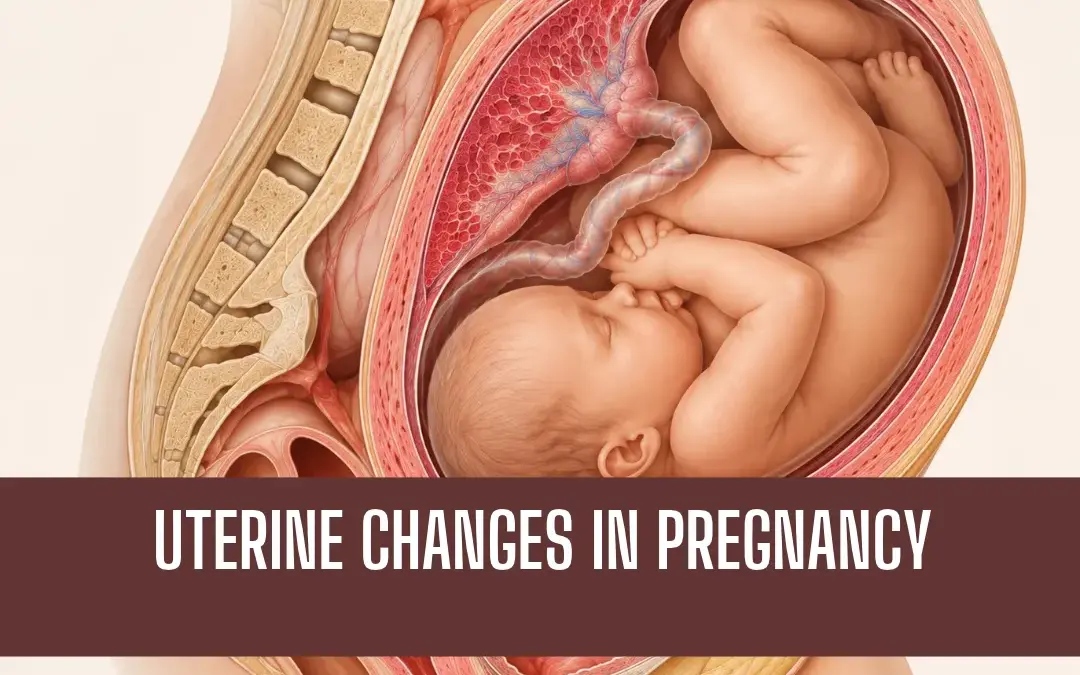
Pregnancy changes the uterus more than any other organ in the body. It starts out about the size of a pear and, over nine months, grows to hold a baby, the placenta, and the fluid around them. Dr. Pooja Papishetty, a fertility and maternity specialist at Matrika Fertility and Laparoscopic Centre, an IVF center in Kondapur, Hyderabad, shares what uterine changes during pregnancy look like at each stage, so you know what’s normal and what needs a doctor’s attention.
“Most of what you feel during pregnancy is the uterus doing its job. Once you understand the changes, there’s a lot less to worry about.” – Dr. Pooja Papishetty, Fertility and Maternity Specialist, Kondapur, Hyderabad
So, Why Does the Uterus Change?
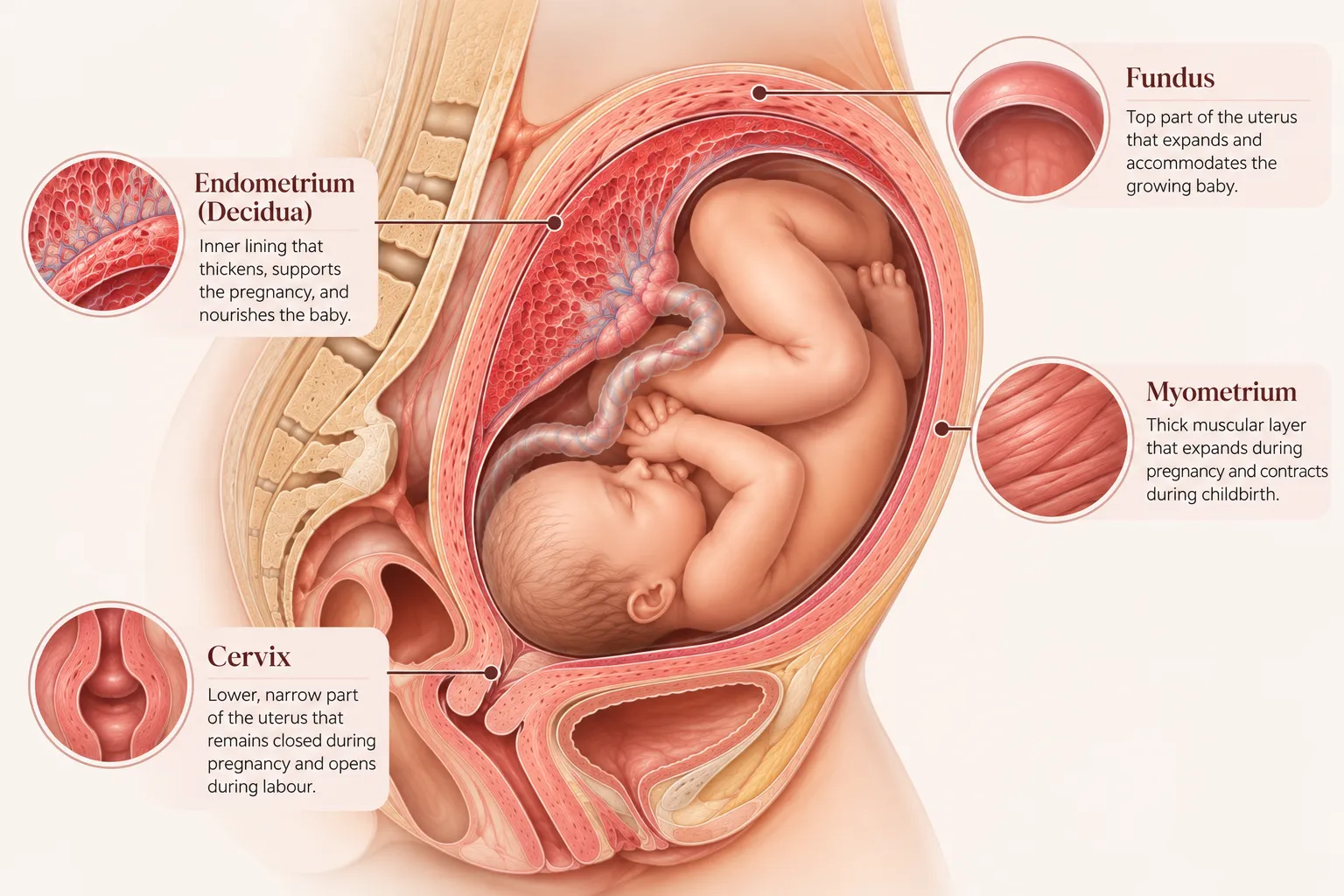
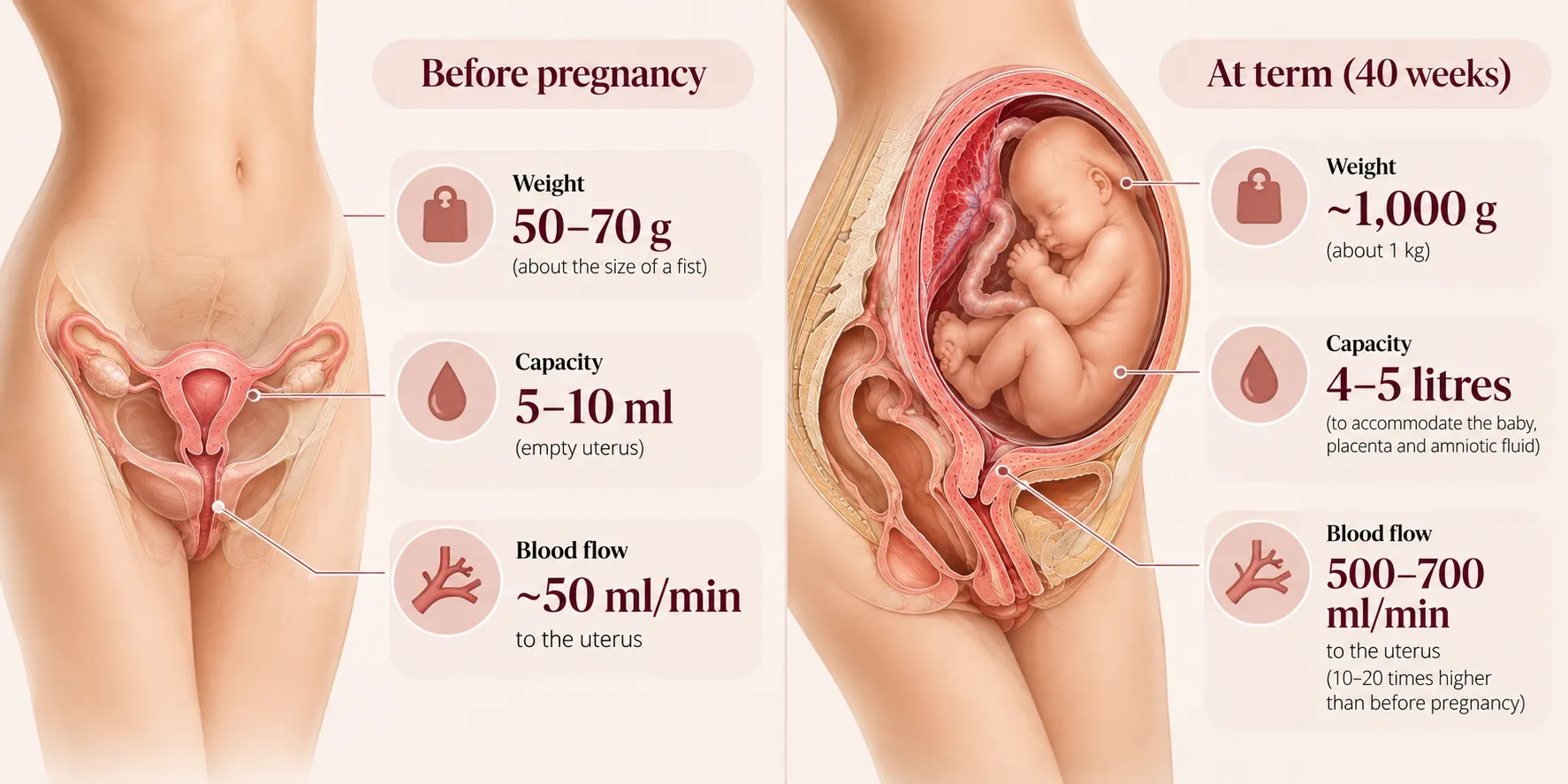
Think of a small pear sitting low in your pelvis. That’s the uterus before pregnancy, weighing about 60 to 70 grams. Once an embryo attaches, hormones step in. The lining turns thick and full of blood, the muscle wall starts growing, and new blood vessels form to feed the placenta. Meanwhile, the uterus has to stay relaxed for months. If it tightened up too early, labour could start too soon.
The First Three Months: Nothing Shows, Yet Plenty Happens
From outside, you look the same. Inside, it’s a completely different story.
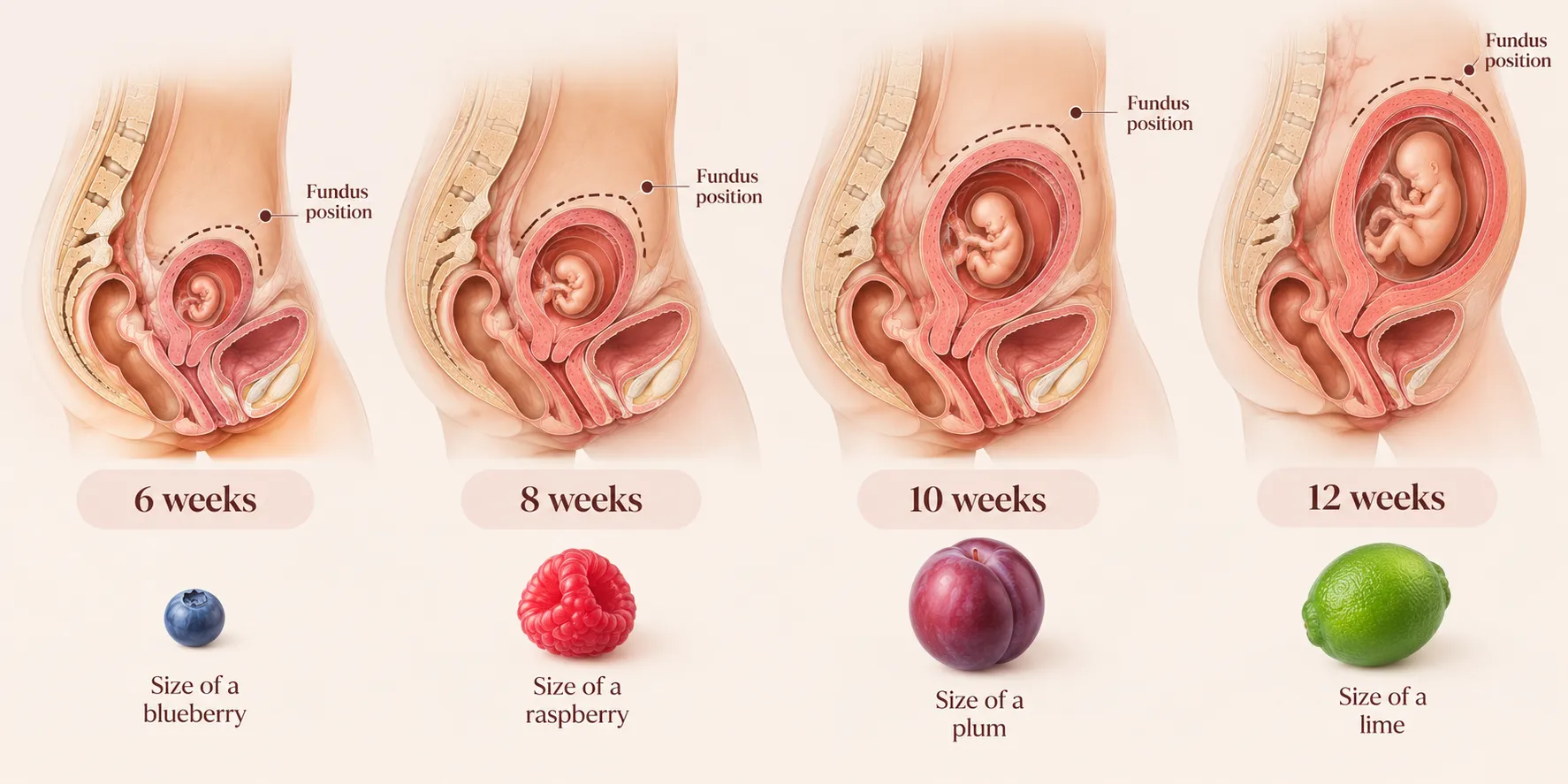
Around weeks 6 to 8, the lower part of the uterus becomes softer, and the cervix softens too. It may even look slightly bluish due to increased blood flow. A thick mucus plug also forms in the cervix. Think of it like a cork that stays in place and helps protect the baby.
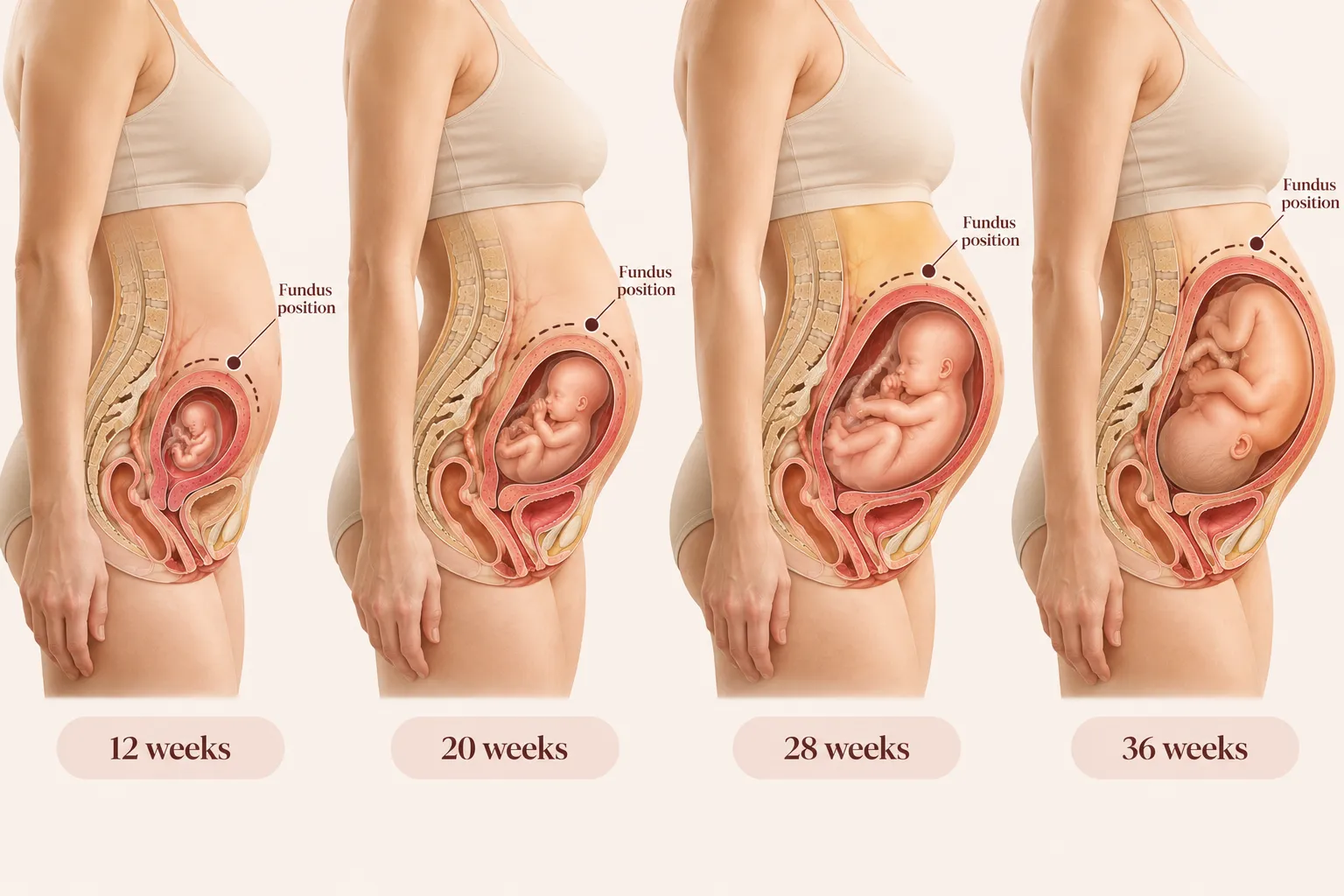
By week 12, the uterus is about the size of a grapefruit, with its top edge sitting just above the pubic bone.
You may notice mild cramping, a feeling of heaviness low in your abdomen, and frequent trips to the toilet – even every hour.
Most of these symptoms are fairly normal. However, heavy bleeding or sharp pain on one side isn’t. If you experience either, don’t wait – call your doctor that day.
Months Four to Six: The Bump Shows Up
Around weeks 13 or 14, the uterus rises out of the pelvis and into the abdomen. That’s often when people start asking, “Are you expecting?”
By week 16, the top of the uterus sits about halfway between the pubic bone and the belly button. By week 20, it usually reaches the belly button.
From around week 20 to 34, the distance from the pubic bone to the top of the uterus, measured in centimetres, is often close to the number of weeks of pregnancy. That’s why your doctor uses a tape measure during routine check-ups. If the measurement is noticeably different from what’s expected, a scan can help determine the reason. In some cases, this may mean closer monitoring through high-risk pregnancy care.
Ever felt a sudden, sharp tug on one side when you stood up too quickly? That’s often round ligament pain, caused by the ligaments stretching as the uterus grows.
If your belly suddenly feels hard and then relaxes, those may be Braxton Hicks contractions. They’re usually irregular, don’t follow a pattern, and don’t open the cervix.
The Last Stretch: Weeks 28 to 40
By week 36, the top of the uterus has risen up under your ribs. That’s why breathing can feel harder, and even a full meal may suddenly feel like too much. By full term, the uterus weighs around a kilogram and can hold more than five litres—hundreds of times its original size.
In a first pregnancy, the baby’s head often drops lower a few weeks before delivery. This is called “lightening.” You may find it easier to breathe, but the extra pressure on your bladder can mean more frequent trips to the toilet.
Meanwhile, the cervix begins to soften and shorten, and those belly tightenings may become harder to ignore.
“In the waiting room, women compare bumps and worry theirs is too high or too low. I don’t go by that. I look at the measurement, the scan, and how the mother feels. Every uterus grows at its own speed.”
Dr. Pooja Papishetty, Fertility and Maternity Specialist, Kondapur, Hyderabad
What You Can't Feel or See
Blood flow to the uterus starts at about 50 ml a minute. By full term, it reaches 500 to 700 ml, helping deliver oxygen and nutrients to the baby. The muscle changes too. Early on, its cells multiply and grow. Later, the wall stretches thin while staying strong. Meanwhile, the cervix stays tightly closed for most of pregnancy and only softens as labour approaches.
If Your Pregnancy Came After Fertility Treatment
A pregnancy that begins with IVF goes through the same uterine changes as one that begins naturally. The uterus grows, softens and gets more blood in exactly the same way. The difference is usually in the care. After a long wait, most couples want regular scans and check-ups so they know everything is on track.
Dr. Pooja Papishetty guides couples through fertility treatment and then follows them through the pregnancy. Having one doctor who knows your history from the first consultation onwards makes those visits simpler and more reassuring.
When to Call Your Doctor
Most of what happens in pregnancy is normal, but a few signs should never be waited out.
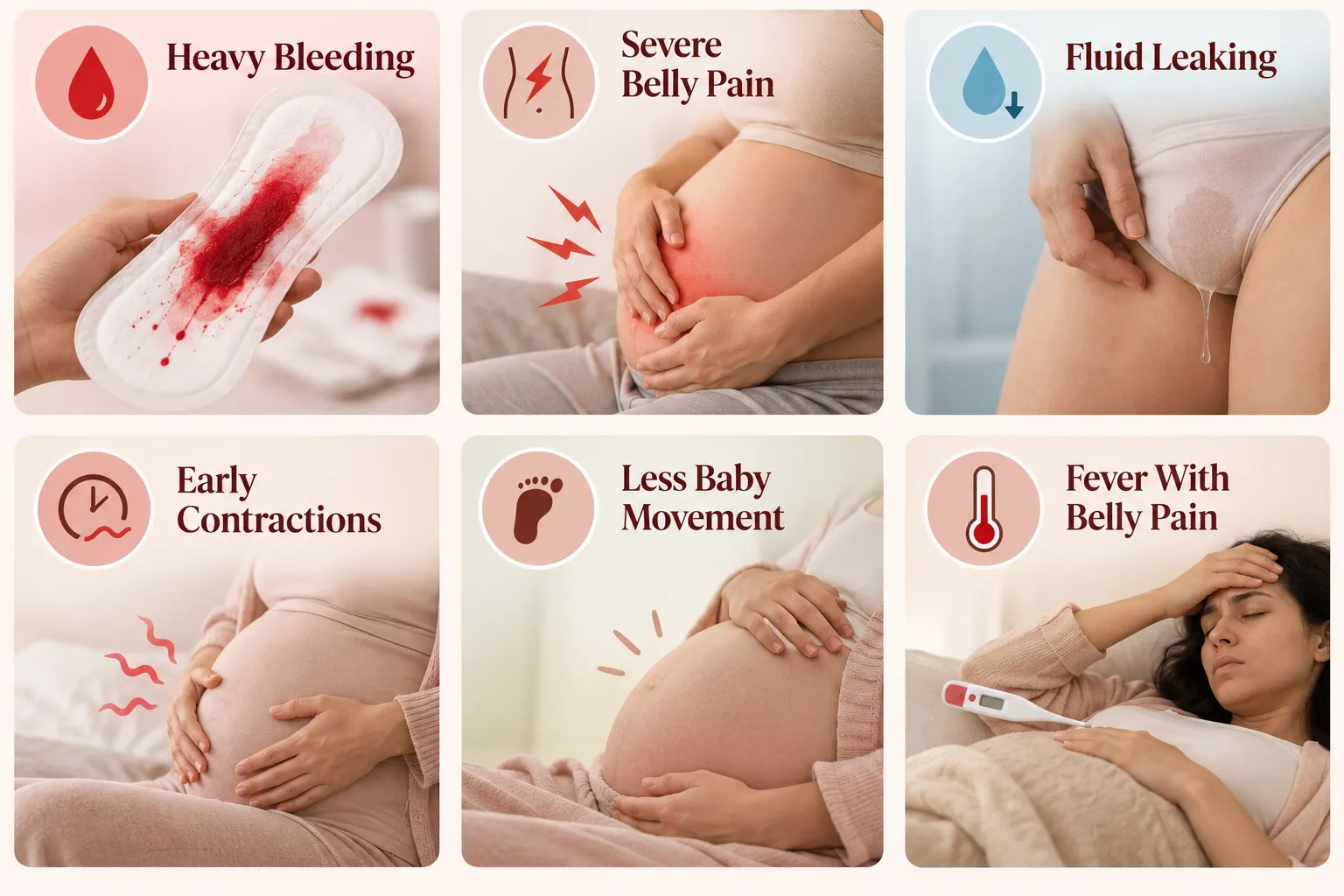
While most pregnancy changes are normal, some symptoms need prompt medical attention. Call your doctor if you have heavy bleeding, strong belly pain that won’t ease, water leaking, regular painful tightening before 37 weeks, less baby movement than usual, or a fever with belly pain.
“If something feels off, call us. No question about your pregnancy is too small.”
Dr. Pooja Papishetty, Fertility and Maternity Specialist
After the Baby Arrives
The uterus shrinks back over about six weeks. Bleeding continues for four to six weeks and slowly eases. Those cramps while breastfeeding? That’s the uterus tightening, and it actually helps it shrink faster.
Conclusion: Knowing What's Normal Helps
“Knowing what’s normal takes most of the fear out of pregnancy. Ask early, and ask as often as you need.”
Dr. Pooja Papishetty, Fertility and Maternity Specialist
Nine months is a long time for an organ to grow this much, and most of what happens is exactly as it should be. The more you know about what’s normal, the quicker you’ll spot what isn’t. If you’d like a scan or just want to talk, drop in at the Matrika Fertility and Laparoscopic Center and meet Dr. Pooja Papishetty. Ask the small doubts too. They usually matter more than you’d think.
Your questions don’t need to be big to be worth asking. Walk into the Matrika polyclinic with yours, and walk out with clearer answers and a lighter mind.
Frequently Asked Questions
When does the uterus start growing?
Right after the embryo attaches. You’ll only see it from outside around week 12 to 14.
Are Braxton Hicks contractions normal?
Yes. They come randomly and usually ease with rest or water. If they turn regular, painful and closer together, call your doctor.
How big is the uterus at full term?
About a kilo in weight, holding over five litres. Before pregnancy, it’s 60 to 70 grams.
Why the cramps in early pregnancy?
Mostly stretching and extra blood flow. Strong pain or bleeding needs a check.
How long till it's back to normal after delivery?
Around six weeks, sometimes a little more or less.
References
- American College of Obstetricians and Gynecologists (ACOG). Your Pregnancy and Childbirth: Month to Month.View book details
- StatPearls (NCBI Bookshelf).Physiology, Maternal Changes and Anatomy, Abdomen and Pelvis: Uterus
- Cleveland Clinic.Braxton Hicks Contractions and Uterus: Anatomy and Function
- Cunningham FG et al. Williams Obstetrics, 26th ed. (2022), chapter on Maternal Physiology.View book details
Disclaimer: The information shared in this content is for educational purposes only and not for promotional use.