

High-Risk Pregnancy Management in Kondapur, Hyderabad
A high-risk pregnancy simply means you or your baby need a little extra attention during these nine months. It does not mean something will go wrong. With the right monitoring and care, most women with a high-risk pregnancy go on to deliver healthy babies.
At Matrika Fertility and Laparoscopic Centre, a trusted IVF center in Kondapur, Hyderabad, Dr. Pooja Papishetty Papishetty provides dedicated care for women whose pregnancies need closer watching. This is especially important for couples who have conceived after fertility treatment, or who carry a history of complications.
If you have been told your pregnancy is high-risk, take a breath. You are in capable hands here.
“A high-risk label frightens a lot of my patients. I always tell them the same thing. It is not a warning. It is simply a reason for us to watch more carefully and act sooner if needed. That extra care is what keeps mother and baby safe.” – Dr. Pooja Papishetty Papishetty, Fertility and Maternity Specialist, Kondapur, Hyderabad
Just found out your pregnancy needs extra care? Let Dr. Pooja Papishetty Papishetty guide you, step by step.
What is High-Risk Pregnancy Management?

High-risk pregnancy management is specialised antenatal care for pregnancies that carry a higher-than-usual chance of complications, either for the mother, the baby, or both.
In plain terms, it means more frequent check-ups, closer monitoring, and a care plan built around your specific situation. Some pregnancies are flagged as high-risk from the very start. Others become high-risk as they progress.
Here is what this kind of care usually involves:
- More regular antenatal visits than a routine pregnancy
- Extra ultrasound scans to track the baby’s growth and wellbeing
- Careful monitoring of any existing health conditions like diabetes or high blood pressure
- Blood and urine tests at key points to catch problems early
- A clear delivery plan made well in advance
The goal is simple. Spot any concern early, manage it calmly, and keep both mother and baby as safe as possible right through to delivery.
Who Needs High-Risk Pregnancy Management?
Dr. Pooja Papishetty Papishetty assesses every pregnancy individually. A pregnancy may be considered high-risk for many reasons, and being in this category does not guarantee problems. It simply means closer care is wise.
Here are the most common situations where high-risk pregnancy care is recommended.

Maternal Age
Women who conceive before 17 or after 35 are generally watched more closely. With age, there is a slightly higher chance of conditions like gestational diabetes or high blood pressure, so regular monitoring helps catch these early.

Pre-Existing Health Conditions
If you have a health condition before pregnancy, it needs careful management throughout. This includes diabetes, high blood pressure, thyroid disorders, kidney or heart disease, obesity, or autoimmune conditions. These do not stop you from having a healthy baby, but they do call for a watchful eye.

Pregnancy After Fertility Treatment
Couples who conceive through IVF, ICSI, or IUI often benefit from dedicated antenatal care. After a long fertility journey, this extra attention brings real peace of mind, and it allows Dr. Pooja Papishetty to monitor the pregnancy with the care it deserves.

History of Pregnancy Complications
If you have had a previous miscarriage, preterm birth, stillbirth, or a complication like preeclampsia in an earlier pregnancy, closer monitoring this time is sensible. Past history helps shape a safer plan for the present.

Complications That Develop During Pregnancy
Sometimes a pregnancy starts off routine and becomes high-risk along the way. Conditions like gestational diabetes, preeclampsia (high blood pressure during pregnancy), placenta previa, or concerns about the baby’s growth can all mean a shift to closer care.

Carrying Twins or More
A multiple pregnancy (twins or triplets) is naturally watched more carefully, as it carries a higher chance of preterm labour and other concerns.
If you are unsure whether any of this applies to you, a consultation at Matrika Advanced Fertility and Laparoscopic Centre in Kondapur will give you a clear answer.
How is a High-Risk Pregnancy Managed? Step by Step
Every high-risk pregnancy is different, so the plan is always personalised. That said, here is what care at Matrika Advanced Fertility and Laparoscopic Centre generally looks like.

Step 1 - Detailed First Assessment
Your first visit is a thorough one. Dr. Pooja Papishetty reviews your complete medical history, any past pregnancies, current health conditions, and any fertility treatment you may have had. This builds the foundation of your care plan.
Step 2 - Baseline Tests and Scans
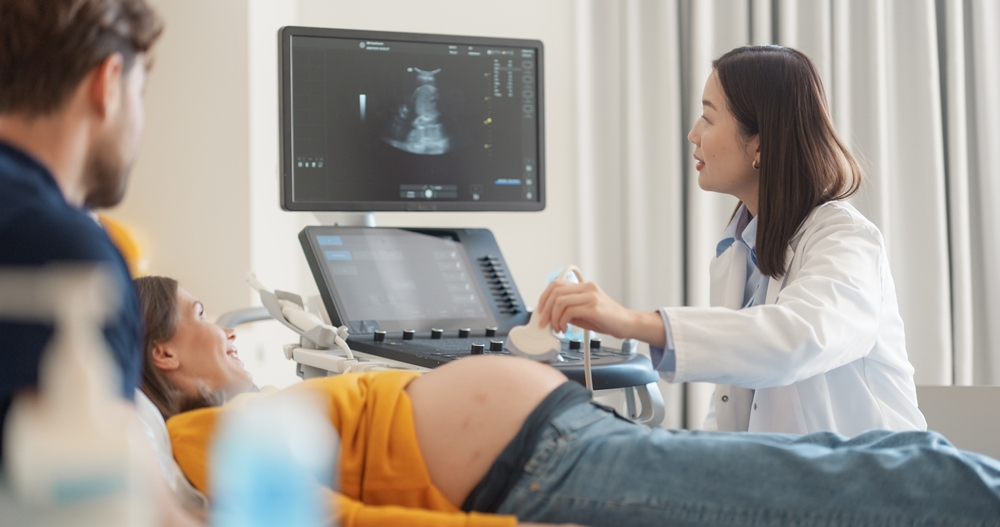
A set of blood tests, urine tests, and an ultrasound establish where things stand at the start. These baseline results help track any changes as the pregnancy moves forward.

Step 3 - A Personalised Monitoring Schedule
Based on your risk profile, Dr. Pooja Papishetty Papishetty sets out how often you will need to come in. High-risk pregnancies usually need more frequent visits than routine ones, so nothing is missed.
Step 4 - Ongoing Fetal and Maternal Monitoring
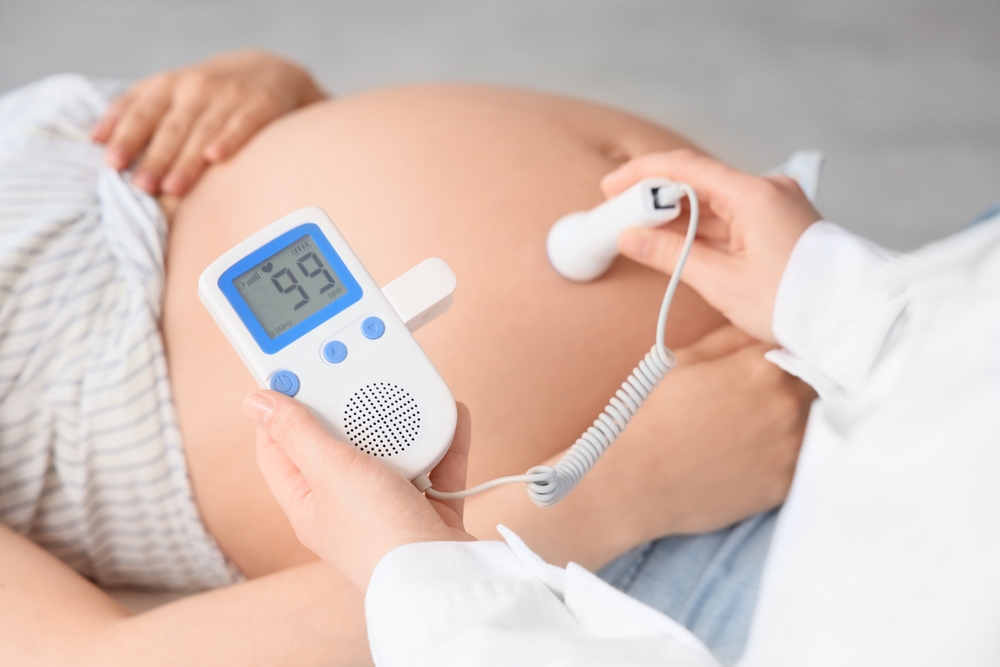
Through the pregnancy, you will have regular growth scans, and where needed, tests like a non-stress test or biophysical profile to check the baby’s wellbeing. Your own blood pressure, sugar levels, and general health are tracked alongside.

Step 5 - Managing Existing Conditions
If you have diabetes, thyroid issues, or high blood pressure, these are managed closely throughout. Medications are reviewed carefully to make sure they are safe and working well during pregnancy.

Step 6 - Planning a Safe Delivery
As your due date nears, Dr. Pooja Papishetty discusses the safest delivery approach, whether a normal delivery or planned caesarean. Planning ahead removes last-minute worry, and postpartum wellness care supports your recovery afterwards.
Warning Signs You Should Never Ignore
Knowing what to watch for is part of staying safe. During a high-risk pregnancy, contact Dr. Pooja Papishetty or the clinic promptly if you notice any of the following.
Warning Sign | Why It Matters |
Vaginal bleeding or unusual discharge | Can signal a problem with the placenta or early labour |
Reduced or no baby movements | An important indicator of the baby’s wellbeing |
Severe or constant headache | May be linked to rising blood pressure |
Blurred vision or seeing spots | A possible sign of preeclampsia |
Severe swelling of face, hands, or feet | Should be checked, especially with headache |
Persistent abdominal or chest pain | Always needs prompt evaluation |
Difficulty breathing | Should never be ignored during pregnancy |
When in doubt, call. Dr. Pooja Papishetty would always rather check something small than miss something important.
“I tell every patient, do not sit at home worrying or wait for the next appointment. If something feels off, ring us. A two-minute phone call has saved many pregnancies. There is no such thing as a silly question here.” – Dr. Pooja Papishetty Papishetty, Maternity Specialist, Kondapur, Hyderabad
“I always explain to couples that choosing between IUI and IVF is not about which is ‘better’. It is about which is right for you right now. The diagnosis should drive the decision – nothing else.” – Dr. Pooja Papishetty, IVF and IUI Specialist, Matrika Advanced Fertility and Laparoscopic Centre, Kondapur
High-Risk Pregnancy Care Cost in Kondapur, Hyderabad
The cost of high-risk pregnancy management depends on your individual needs. Unlike a one-time procedure, this is ongoing care across the pregnancy, so the cost reflects how much monitoring you require.
At Matrika Advanced Fertility and Laparoscopic Centre, Kondapur, the cost generally depends on:
- How frequently you need antenatal visits
- The number and type of ultrasound scans required
- Blood tests and other investigations through the pregnancy
- Whether any existing condition needs specialist medication and management
- The type of delivery planned
Dr. Pooja Papishetty and the team believe in clear, honest pricing. You will understand what each part of your care involves and why it matters. There are no hidden charges and no surprise bills.
For an estimate based on your specific situation, book a consultation at Matrika Fertility and Laparoscopic Centre in Kondapur, Hyderabad.
Note: High-risk pregnancy care costs vary from clinic to clinic. Always check that the quote covers consultations, scans, and routine investigations through the pregnancy.
Want clarity on your pregnancy care plan and costs? Sit down with Dr. Pooja Papishetty for an honest conversation.
Why Choose Matrika Fertility and Laparoscopic Centre?
There are many clinics in Kondapur and Hyderabad. Here is what makes the care at Matrika different.
Continuity from fertility to delivery
For couples who conceived through fertility treatment such as IVF and IUI treatment, Dr. Pooja Papishetty already knows your journey. That continuity means your antenatal care picks up seamlessly, with a doctor who understands your full history.
A calm, reassuring approach
A high-risk label causes anxiety. Dr. Pooja Papishetty’s focus is on keeping you informed and settled, never frightened. You will always understand what is happening and why.
Personalised monitoring
No two high-risk pregnancies are alike. Your monitoring schedule is built around your specific risk profile, not a generic template.
Specialist training
Dr. Pooja Papishetty Papishetty is an MBBS, MS (Obstetrics and Gynaecology) specialist with a Fellowship in Reproductive Medicine. She is a member of the Federation of Obstetric and Gynaecological Societies of India (FOGSI) and the Indian Medical Association (IMA).
Everything under one roof
Scans, tests, monitoring, and delivery planning are all handled at the clinic, so your care never feels scattered.
A private, supportive environment
Pregnancy after a difficult journey is emotional. Every visit is handled with the warmth and sensitivity it deserves. Patients describe Dr. Pooja Papishetty as warm, attentive, and genuinely reassuring.
Tests You May Need During a High-Risk Pregnancy
Dr. Pooja Papishetty recommends only the tests that are relevant to your situation. Here is an overview of what may be involved.
Test | Why It Is Done |
Regular blood pressure checks | To detect preeclampsia and hypertension early |
Blood sugar testing (GTT) | To screen for and monitor gestational diabetes |
Growth ultrasound scans | To track the baby’s growth and development |
Doppler ultrasound | To check blood flow to the baby where needed |
Non-stress test (NST) | To monitor the baby’s heart rate and wellbeing |
Biophysical profile | A combined check of the baby’s movement, tone, and fluid |
Thyroid and hormone tests | To manage thyroid or other hormonal conditions |
Urine tests | To check for protein and signs of infection |
These tests are spread sensibly across the pregnancy. Dr. Pooja Papishetty will always explain what each one checks and why it matters for you.
“Before I order any test, I explain it. A scared patient who does not understand why she is being tested only feels more anxious. When you understand the reason, the whole experience becomes calmer. That calm matters for you and your baby.” – Dr. Pooja Papishetty Papishetty, Fertility and Maternity Specialist, Kondapur, Hyderabad
Frequently Asked Questions
Does a high-risk pregnancy mean my baby is in danger?
No. A high-risk label simply means you need closer monitoring than a routine pregnancy. With proper care, most women with high-risk pregnancies deliver healthy babies. It is about caution and care, not a prediction of problems.
I conceived through ICSI. Is my pregnancy automatically high-risk?
Not automatically, but pregnancies after fertility treatment such as ICSI are often given dedicated antenatal care for added reassurance. Dr. Pooja Papishetty Papishetty monitors these pregnancies closely, especially in the early weeks, so you can feel secure every step of the way.
How often will I need to visit the clinic?
This depends entirely on your risk profile. High-risk pregnancies generally need more frequent visits than routine ones. Dr. Pooja Papishetty will set out a clear schedule at your first consultation and adjust it as the pregnancy progresses.
Can I have a normal delivery with a high-risk pregnancy?
Often, yes. Many women with high-risk pregnancies have normal deliveries. The right approach depends on your specific situation, and Dr. Pooja Papishetty discusses the safest delivery plan with you well before your due date.
What should I do if I notice something unusual between appointments?
Call the clinic right away. Never wait if you notice bleeding, reduced baby movements, severe headache, or any sudden change. Dr. Pooja Papishetty and her team would always prefer you reach out early rather than wait.
Every pregnancy deserves to feel safe. Let Dr. Pooja Papishetty Papishetty walk this journey with you.