
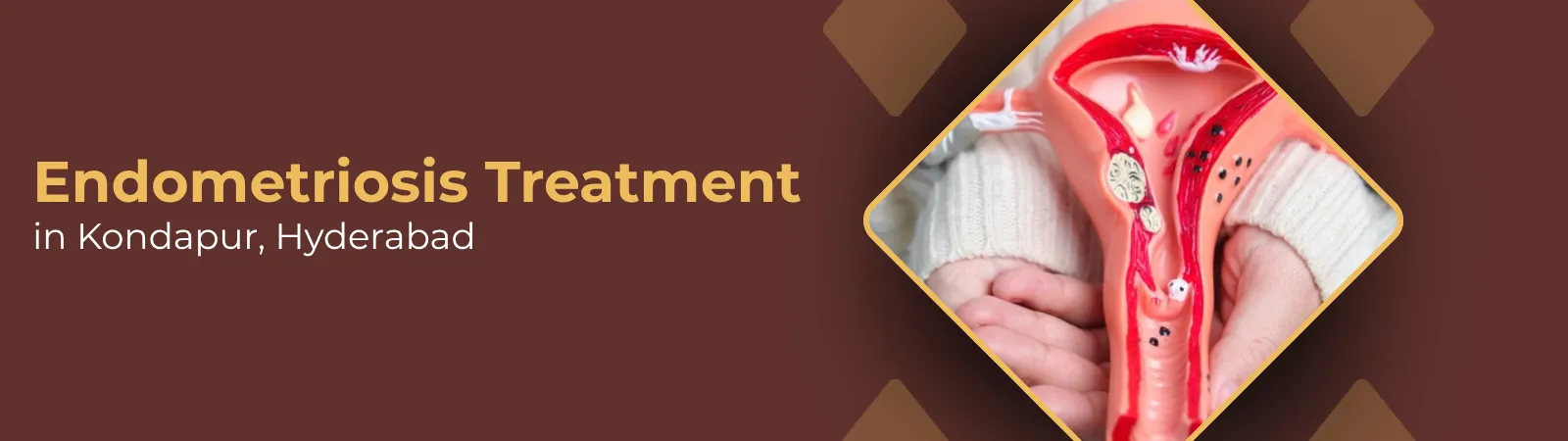
Endometriosis Treatment in Kondapur, Hyderabad
Endometriosis happens when tissue similar to the uterine lining starts growing outside the uterus, usually on the ovaries, fallopian tubes, or pelvic lining. It’s a lot more common than most women think, and it tends to go unnoticed for years because the symptoms just get written off as bad period pain.
At Matrika Fertility and Laparoscopic Centre, a well known IVF centre in Kondapur, Hyderabad, Dr. Pooja Papishetty treats endometriosis regularly, including cases where it’s affecting a patient’s fertility. An early, accurate diagnosis tends to make things a lot more manageable down the line.
“Women live with this pain for years sometimes, thinking it’s just how periods are supposed to feel. It’s not. If it’s disrupting your life every month, get it checked.”
Dr. Pooja Papishetty, Fertility Specialist, Kondapur, Hyderabad
If period pain is taking over your month, that’s not something to just push through.
What Is Endometriosis?
In endometriosis, tissue that acts like the uterine lining ends up growing somewhere it shouldn’t, most often the ovaries, fallopian tubes, or the pelvic lining itself. Here’s the tricky part. This tissue still responds to monthly hormone changes, so it thickens and breaks down just like the actual uterine lining would. Except this blood has no way out, and that’s what leads to inflammation, scarring, and sometimes ovarian cysts called endometriomas.
It’s chronic, so it won’t just go away on its own. The good news is that it responds well to the right treatment once it’s actually diagnosed.
Signs Worth Paying Attention To
Painful periods get normalised way too often, and that’s usually what delays a diagnosis for years. A few signs are worth getting checked out:
Pelvic pain that’s noticeably worse than typical cramps, especially if it keeps getting worse over time
Pain during or after sex
Heavy bleeding, or periods that drag on longer than they should
Pain while using the bathroom, particularly around your period
Fatigue that doesn’t match how much you’re actually resting
Difficulty conceiving, sometimes with no pain at all as the first clue
Not every woman gets all of these, and oddly, symptom severity doesn’t always match how advanced the condition is. Some women with mild disease deal with a lot of pain. Others with more extensive endometriosis barely notice anything.
What Actually Causes It
Even now, the exact cause isn’t fully settled, but a handful of factors cover most of the cases doctors see:
Retrograde menstruation, where blood flows backward through the fallopian tubes into the pelvis instead of leaving the body normally
Immune system factors that make it harder for the body to clear tissue once it shows up somewhere it shouldn’t
Genetics, since the condition does tend to run in families
Hormonal sensitivity, particularly to estrogen, which is part of why symptoms often ease up during pregnancy or after menopause
None of these fully explain every case on their own, which is part of why endometriosis can be tricky to pin down early.
How Diagnosis Works, Step by Step
Step 1 – History and Pelvic Exam
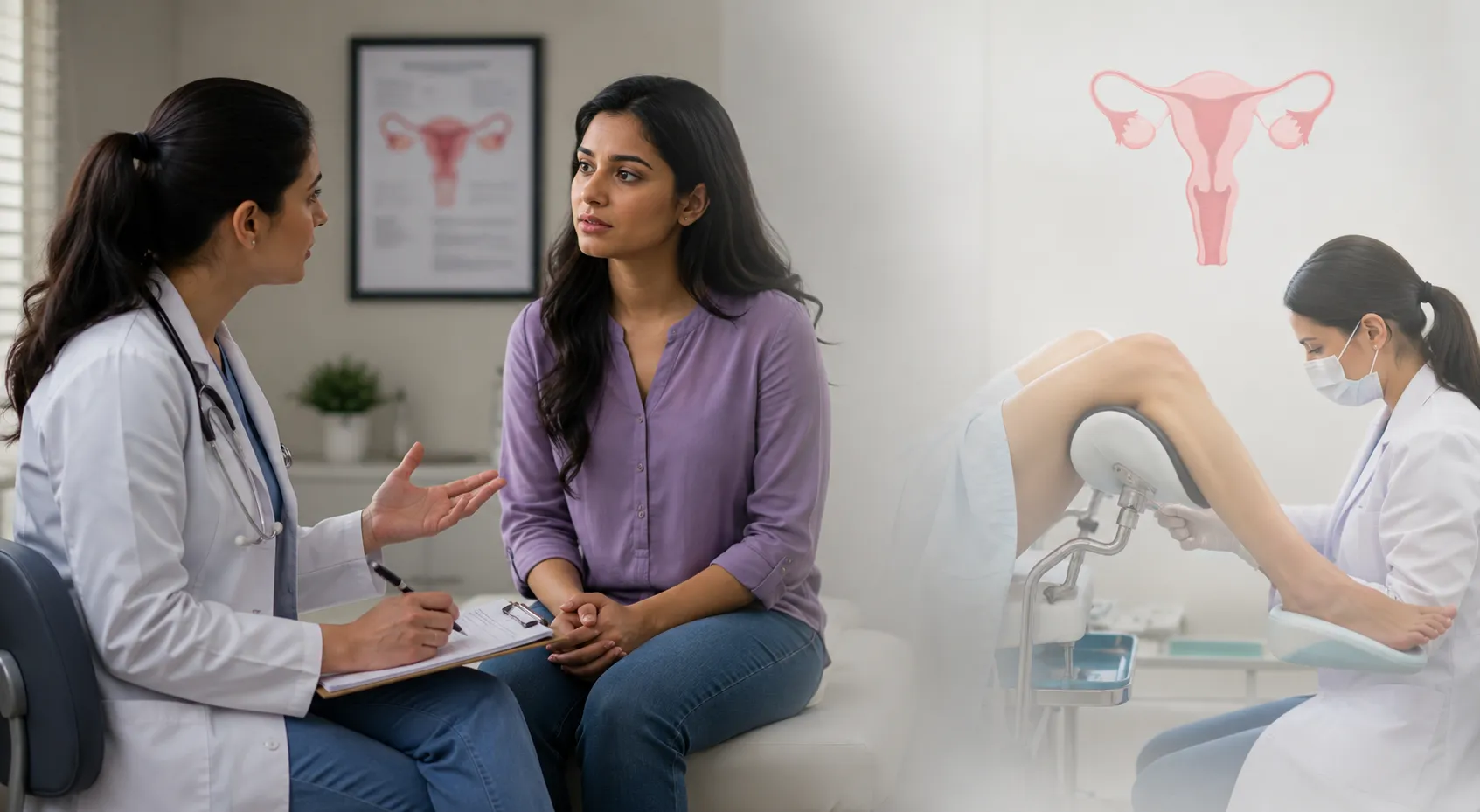
It starts with a real conversation. When the pain shows up, how bad it gets, how it’s affecting daily life. Then a pelvic exam, which can sometimes pick up cysts or tenderness in specific spots.
Step 2 – Ultrasound
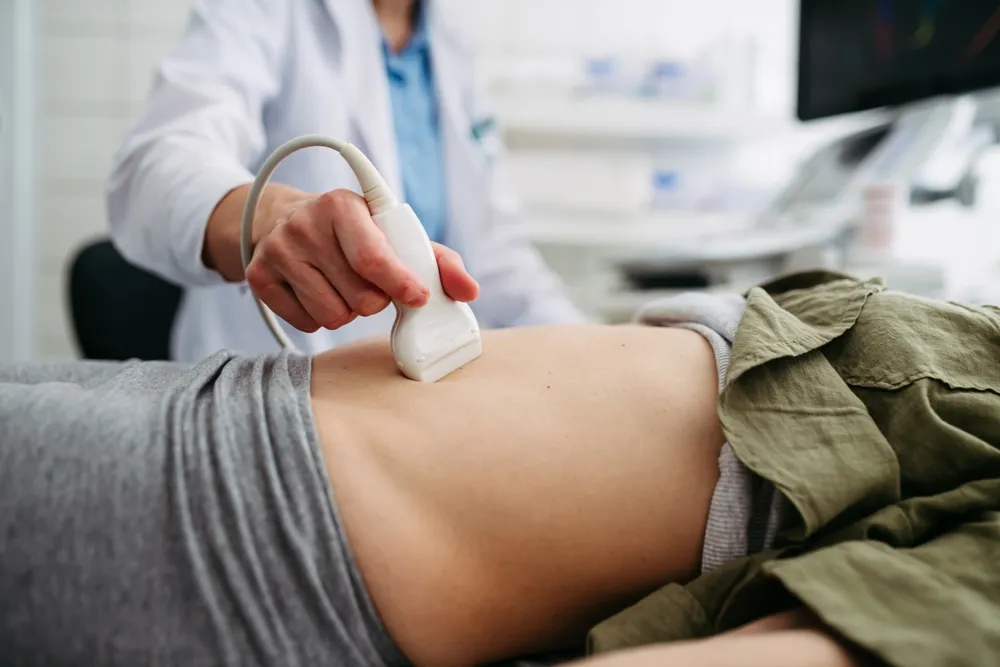
Usually a transvaginal ultrasound comes next. It can catch ovarian cysts tied to endometriosis, though it doesn’t pick up every case, milder ones especially tend to slip through.
Step 3 – MRI, If Needed
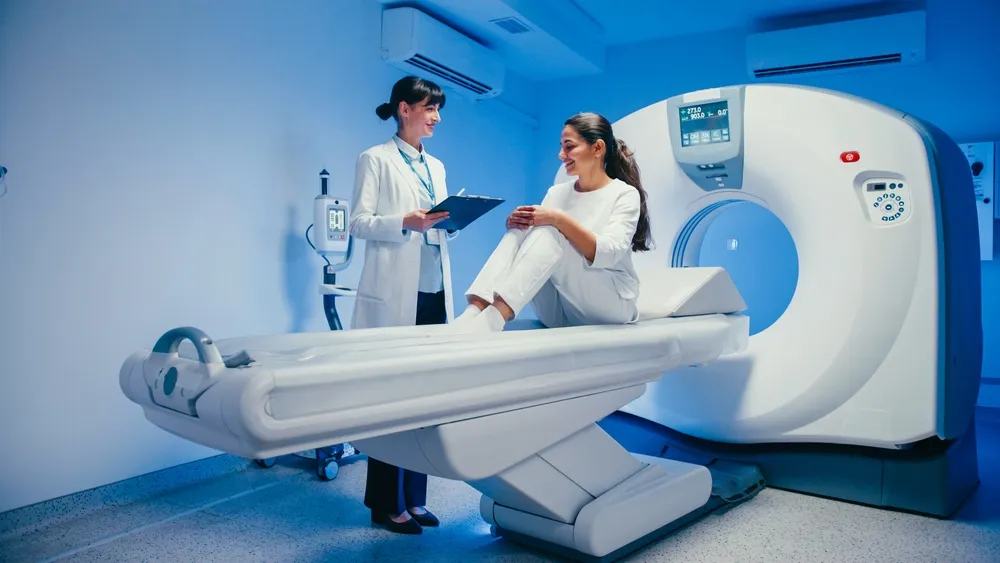
For more complicated cases, an MRI gives a much clearer view of how far things have spread, particularly if the bowel or bladder are involved.
Step 4 – Laparoscopy
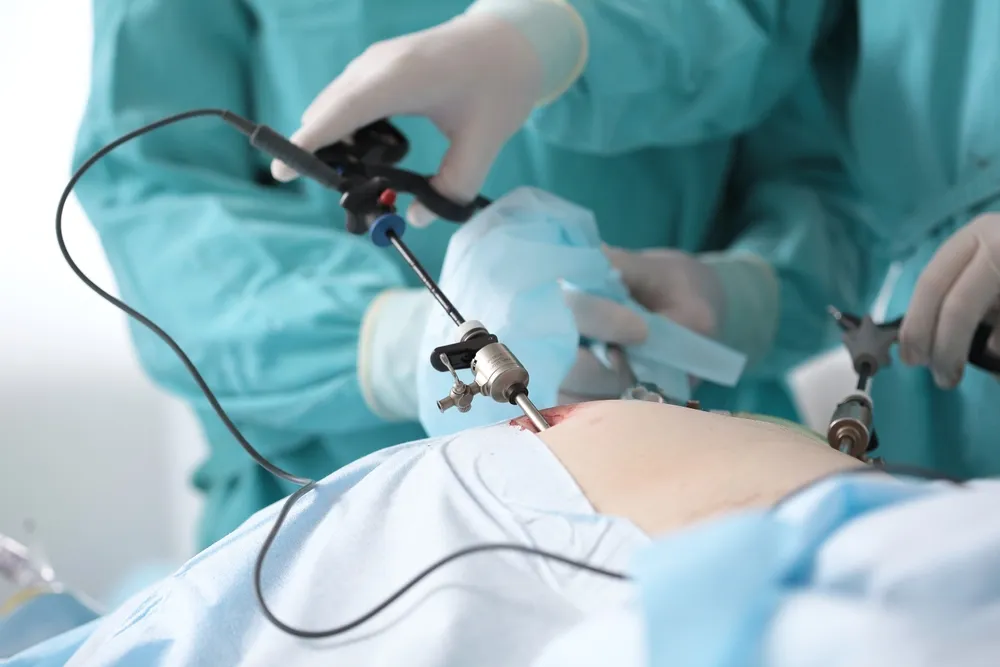
This is still the most definitive way to confirm it. It’s a minimally invasive surgery where Dr. Pooja can look directly at the pelvic organs, and often treat the endometriosis in the same sitting by removing the affected tissue.
“Laparoscopy isn’t just about confirming the diagnosis. A lot of the time, we remove the tissue causing the problem right then. For patients who’ve waited a long time for answers, that’s usually a relief.”
Dr. Pooja Papishetty, Matrika Fertility and Laparoscopic Centre, Kondapur
Treatment Options for Endometriosis
What works depends on how severe it is, what symptoms you’re dealing with, and whether pregnancy is part of the plan right now. Dr. Pooja generally considers:
Anti-inflammatory medication for pain management in milder cases
Hormonal therapy, birth control pills or progestin-based treatment, to slow down tissue growth
GnRH agonists, which lower estrogen temporarily to shrink more significant endometriosis
Laparoscopic surgery to remove growths and scar tissue, especially when pain is severe or fertility is affected
Fertility treatment like IUI or IVF, for cases where conceiving naturally has become difficult
No two cases of endometriosis look quite the same. Find out what treatment actually fits yours.
Endometriosis and Fertility
A significant number of women dealing with infertility also have endometriosis, since it can affect the ovaries, tubes, and the general environment needed for conception. Still, plenty of women with the condition, particularly milder cases, do go on to conceive naturally without help.
Where endometriosis is making conception genuinely difficult, Dr. Pooja often recommends IVF treatment, since it can work around several of the fertility challenges the condition creates. In some cases, removing endometrial tissue laparoscopically before starting fertility treatment improves the odds further.
Why Choose Matrika for Endometriosis Treatment
Dr. Pooja brings both gynaecological and fertility expertise to the table, which matters for a condition that touches both areas the way endometriosis does. Nothing here is rushed or generic. Diagnosis and treatment both get built around what you’re actually experiencing and where you want to end up.
The clinic handles diagnostic laparoscopy and ongoing fertility treatment under one roof, so patients aren’t bounced between clinics partway through care. Being based in Kondapur also makes it a straightforward visit for patients from Madhapur, Gachibowli, Kothaguda, and Manikonda.
“Endometriosis shows up differently in every woman. Treating it well means actually listening to what’s happening for that specific patient, not just running through a standard checklist.”
Dr. Pooja Papishetty, Fertility Specialist, Kondapur, Hyderabad
Other women waited years for an answer. You don’t have to. Start with a proper evaluation.
Frequently Asked Questions
Isn't this just bad period pain?
Not quite. Some period discomfort is normal, but endometriosis pain tends to be more intense, often worsens over the years, and can show up outside of your period entirely. If it’s affecting your day-to-day life, get it looked at.
Can it be cured completely?
Not permanently, no, but it can be managed well with the right mix of medication, surgery, and follow-up. Plenty of women go on to live full, active lives once a proper treatment plan is in place.
Does it always cause infertility?
No. Many women with endometriosis, especially milder cases, conceive without any fertility treatment at all. It does raise the risk of difficulty though, which is why catching it early matters if pregnancy is on your mind.
Is laparoscopy the only way to diagnose it?
It’s the most definitive, but not always where things start. Ultrasound and MRI can point strongly toward endometriosis, and often that’s enough to begin treatment before laparoscopy even comes up.
Can it come back after treatment?
It can, especially after stopping hormonal therapy or in cases that were more severe from the start. That’s why ongoing monitoring still matters, even once symptoms have improved or surgery is done.