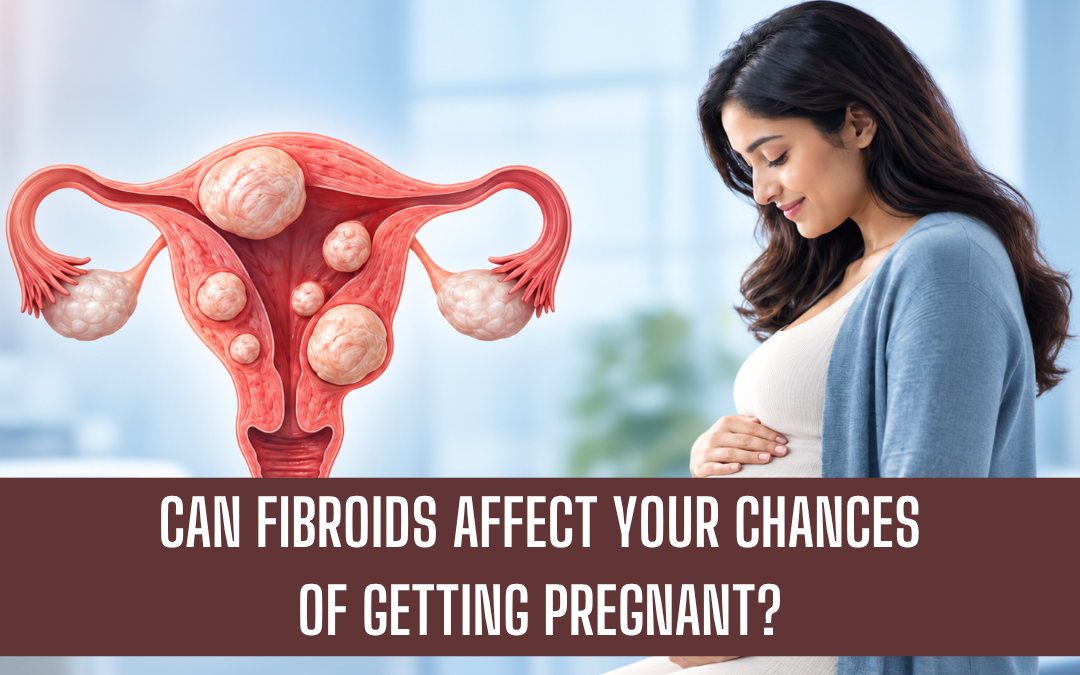
Can Fibroids Affect Your Chances of Getting Pregnant?
Depends entirely on where it sits. Not whether you have one. Submucosal, growing into the cavity itself? That lowers pregnancy and implantation rates, no question. Subserosal, sitting out on the wall. Barely counts as a fertility issue. Intramural sits in between....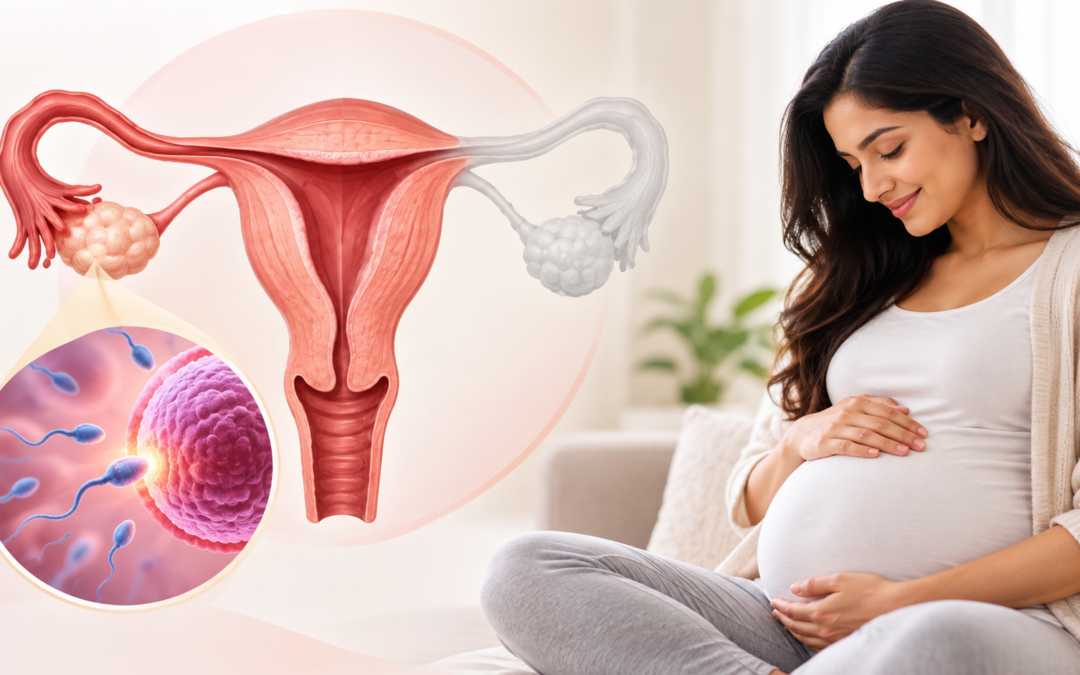
Can You Get Pregnant With One Fallopian Tube?
Yes, you can. As long as the remaining tube and its side ovary are working properly. Ovulation switches between the ovaries most cycles, and a healthy tube on either side can usually pick up an egg no matter which ovary released it. Odds per cycle drop a bit compared...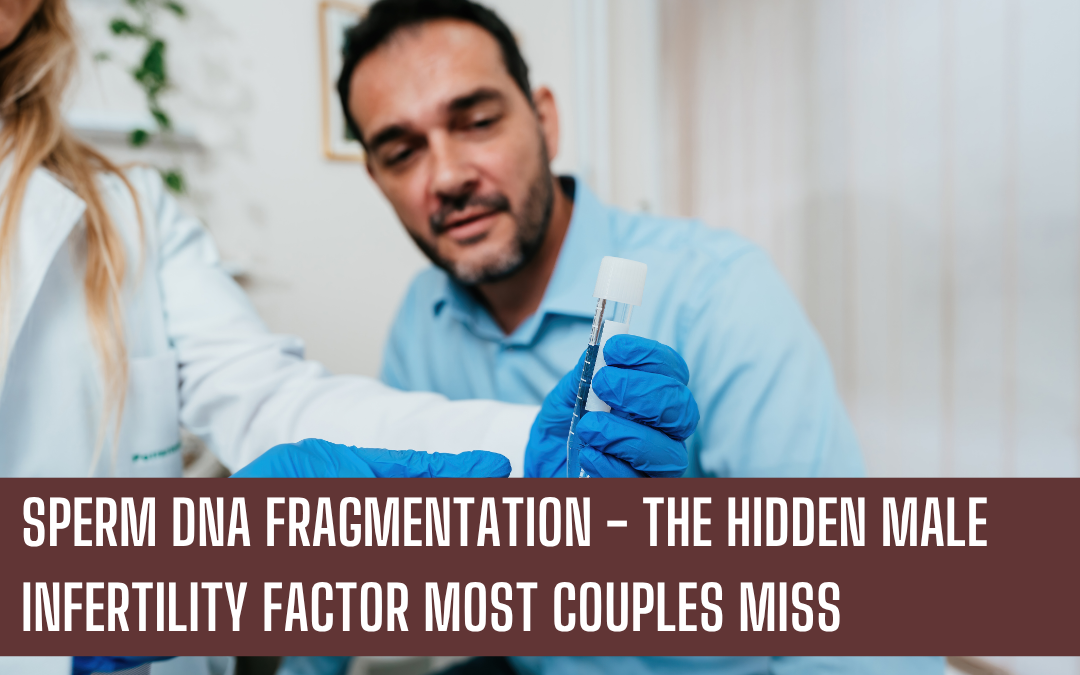
Sperm DNA Fragmentation – The Hidden Male Infertility Factor Most Couples Miss
Sperm DNA fragmentation refers to breaks or damage in the genetic material carried inside sperm, and it can exist even when a standard semen analysis reports normal count, motility, and morphology. High fragmentation levels are linked to lower fertilisation rates,...
ICSI vs IVF – Which One Does a Couple with Low Sperm Count Need?
ICSI and IVF differ mainly in how fertilisation happens, since conventional IVF lets sperm reach the egg on its own in a lab dish while ICSI involves injecting a single sperm directly into the egg. For couples where sperm count, motility, or morphology falls below...