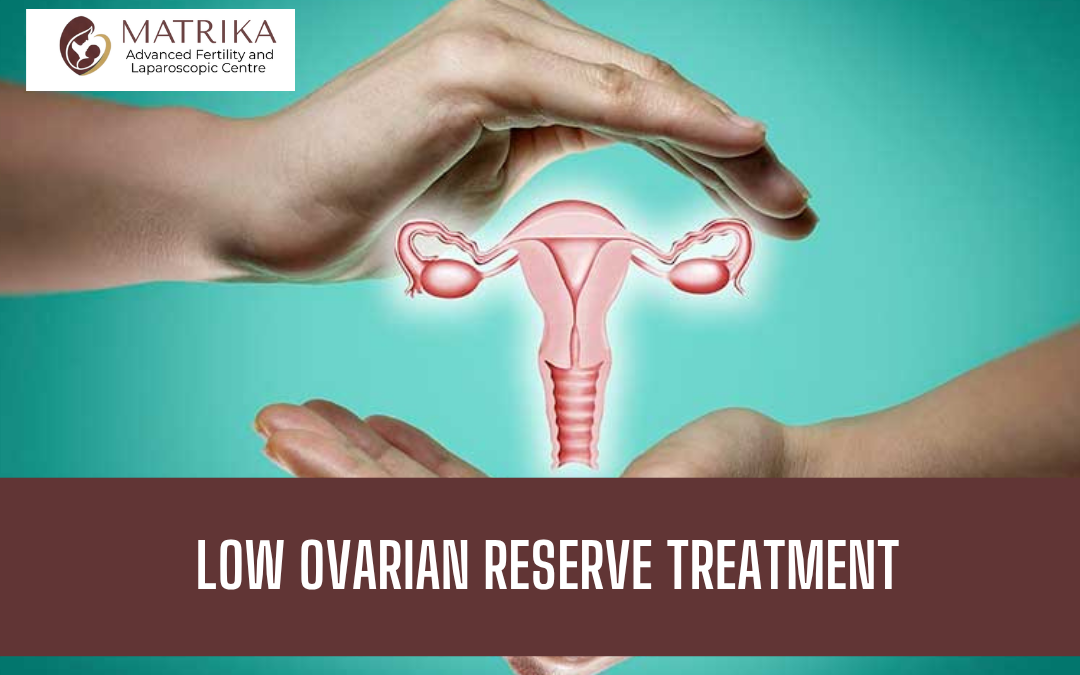
Low Ovarian Reserve Treatment
Low ovarian reserve means the ovaries hold fewer eggs than expected for a woman’s age, and it’s usually confirmed through AMH blood levels, FSH testing and an antral follicle count on ultrasound. Treatment isn’t one-size-fits-all. It depends on age,...
Frozen vs Fresh Embryo Transfer: Results
Neither method is universally superior, but frozen embryo transfer (FET) generally produces higher pregnancy and live birth rates for most patients. Stimulated cycles used in fresh transfer can compromise uterine receptivity, which is why FET allows the uterus to...
Recurrent Pregnancy Loss After IVF
Most patients who lose a second pregnancy after IVF go straight into planning the next cycle. That’s understandable. But repeating the same protocol without investigating why the losses happened is what keeps the pattern going. Recurrent pregnancy loss after IVF...
7 Days After Embryo Transfer – What’s Normal, What’s Not, and What to Expect
Seven days after your embryo transfer, you’re sitting right in the middle of the two-week wait. And it can feel like the longest week of your life. Every twinge, every yawn, every extra trip to the bathroom suddenly seems to mean something. If you’ve been...