
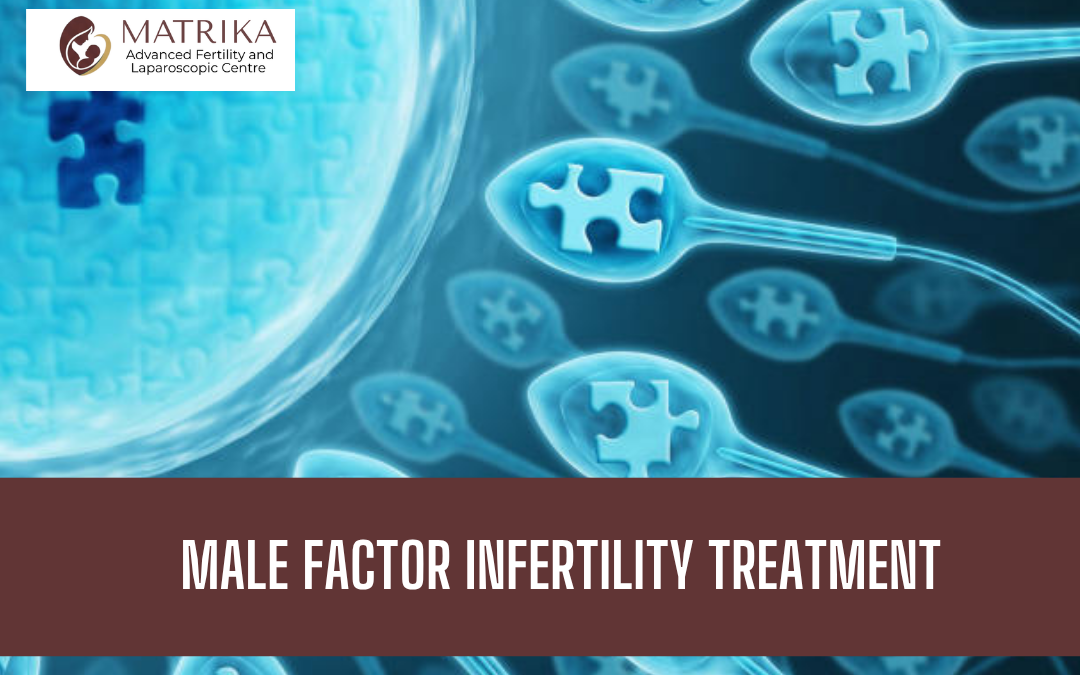
Male factor infertility refers to any condition in the male partner that lowers the chances of natural conception. It accounts for roughly 40 to 50 percent of infertility cases, which surprises a lot of couples who assume the issue lies only with the female partner. Causes range from low sperm count and poor motility to structural blockages and hormonal imbalances. Treatment depends on what’s actually driving the problem, and that can mean anything from lifestyle correction to ICSI or surgical sperm retrieval when natural conception isn’t realistic.
According to Dr. Pooja, ICSI Treatment in Kondapur, “A semen analysis only tells part of the story. Sperm DNA fragmentation and hormonal panels often reveal what’s actually blocking conception, and we don’t get that from a basic report.”
Struggling to figure out if the issue lies with sperm quality?
What Causes Male Factor Infertility?
Causes vary, and they often overlap, so a single test rarely tells the whole story.
Sperm Count : Oligospermia, or a low sperm count, can stem from hormonal issues, infections or even prolonged heat exposure. It’s one of the most common findings on a semen analysis, and often the first flag doctors look for.
Motility Issues : Sperm that don’t move well simply can’t reach the egg, regardless of how many are present. This is usually where ICSI becomes the more practical option rather than repeated natural attempts.
Varicocele : Enlarged veins in the scrotum raise testicular temperature, and over time that quietly damages sperm production. Many men don’t notice any symptoms until fertility testing brings it up.
Hormonal Imbalance : Low testosterone or elevated prolactin can disrupt sperm production altogether. Correcting the hormone imbalance sometimes achieves more than direct sperm-focused treatment would on its own.
A thorough male fertility workup combines semen analysis, hormonal testing and a physical exam. Skipping any one of these can mean missing the actual cause.
Understanding the exact cause often determines whether ICSI is genuinely needed or if simpler correction works first.
How Is Male Factor Infertility Treated?
Treatment depends heavily on the underlying cause rather than the semen report numbers alone.
Lifestyle Correction : Quitting smoking, cutting back on alcohol and managing weight can improve sperm parameters within a few months. It does require patience though, results aren’t immediate.
Medications : Hormonal therapy can restore normal sperm production when the root cause is a treatable imbalance rather than a structural one.
Surgical Options : Varicocele repair or correcting a blockage sometimes restores fertility on its own, without needing assisted reproduction at all.
ICSI Procedure : When sperm count or motility is too low for natural fertilization, a single healthy sperm is injected directly into the egg during IVF.
The treatment path isn’t fixed. It shifts depending on what the diagnostic workup uncovers, and that’s really the point of doing one properly.
For related insights, read more on IVF success rates.
Why Choose Dr. Pooja for Male Factor Infertility Treatment?
Dr. Pooja Papishetty is a fertility specialist with extensive experience diagnosing and treating male factor infertility, including complex cases requiring surgical sperm retrieval and ICSI. Her approach centers on identifying the actual cause before recommending any treatment path forward.
Couples told nothing more can be done often discover there are still options once the real issue is pinpointed correctly. A low sperm count on paper isn’t always the end of the road, and it rarely tells the complete picture on its own.
Call +91 [insert phone number] to book your consultation
Frequently Asked Questions
Can male factor infertility be reversed?
Yes, some causes like varicocele or hormonal imbalance are treatable
Does low sperm count always mean IVF is needed?
No, mild cases often respond to medication or lifestyle changes first.
Is ICSI recommended for all male infertility cases?
Not always, it’s typically used when sperm quality is significantly low.
Can stress affect male fertility?
Yes, chronic stress can lower testosterone and affect sperm production.
References
Disclaimer: This content is for informational purposes only and does not substitute professional medical advice, diagnosis or treatment; always consult a qualified fertility specialist for guidance specific to your condition.