
Low levels of AMH do not imply the inability to conceive. This only suggests that there is a lower ovarian reserve, but not the whole story about your fertility. Dr. Pooja Papishetty, fertility expert from Matrika Advanced Fertility and Laparoscopic Centre, an IVF clinic in Kondapur, Hyderabad, will help you know what low levels of AMH imply in terms of your ability to conceive and your options for treatment.
“A low AMH tells us about the number of eggs, not your chance of becoming a mother. It’s the start of a plan, not the end of the road.”
Dr. Pooja Papishetty, Gynaecologist and Fertility Specialist, Kondapur, Hyderabad
A low number can make the road ahead look shorter than it really is. Understanding what it does and doesn’t mean is the first step to a clearer plan.
What Is AMH?
Anti-Mullerian hormone is produced by the small follicles in your ovaries where the eggs are stored. The higher the number of follicles in your ovaries, the higher the AMH levels in your blood. This explains why AMH levels are used to measure your ovarian reserve or the number of eggs remaining in your ovaries.
AMH blood test is easy to conduct, and you can have it conducted on any day of your cycle. AMH levels increase from puberty until age 25, after which the levels decrease gradually. It is not necessarily high levels of AMH that indicate fertility. AMH levels tend to be high in women with PMOS and irregular ovulation.
Does Low AMH Mean You Can’t Get Pregnant?
AMH is simply an indicator of the size of your ovarian reserve, but not the quality of your eggs. A low AMH test result does not necessarily translate to low fertility because there are cases where women with a low AMH level still get pregnant successfully.
Your age has a greater effect on your egg quality and fertility. Even two women with the same AMH test results may experience a completely different fertility outcome depending on their age.
The significance of a low AMH test result lies in the fact that you may have few eggs available for stimulation, resulting in low egg retrieval in IVF.
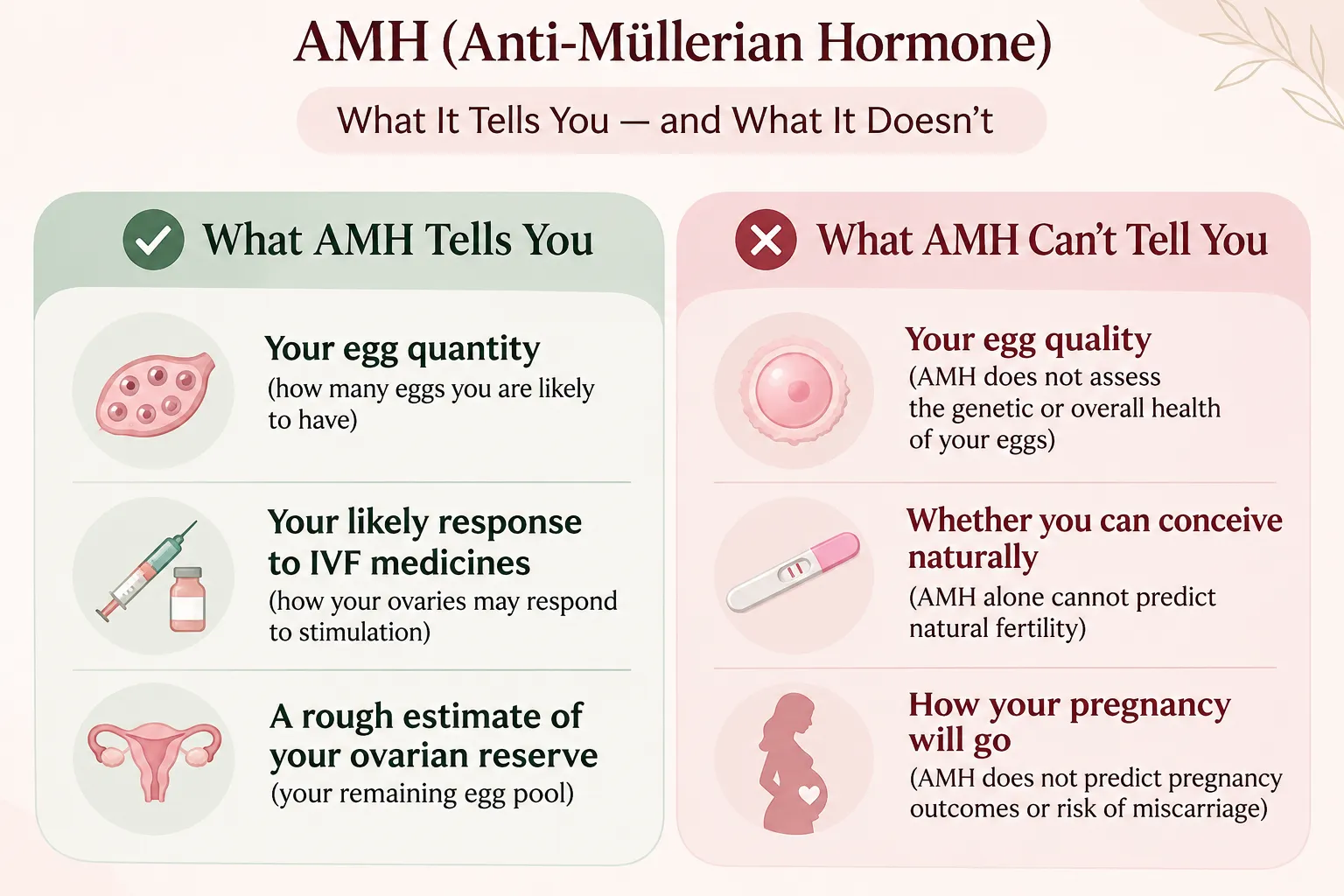
“AMH tells us how many eggs are left, not how good they are. That’s why we look at your age, scan, and cycles before deciding on a plan.” Dr. Pooja Papishetty, Gynaecologist and Fertility Specialist, Kondapur, Hyderabad
Why Is AMH Low?
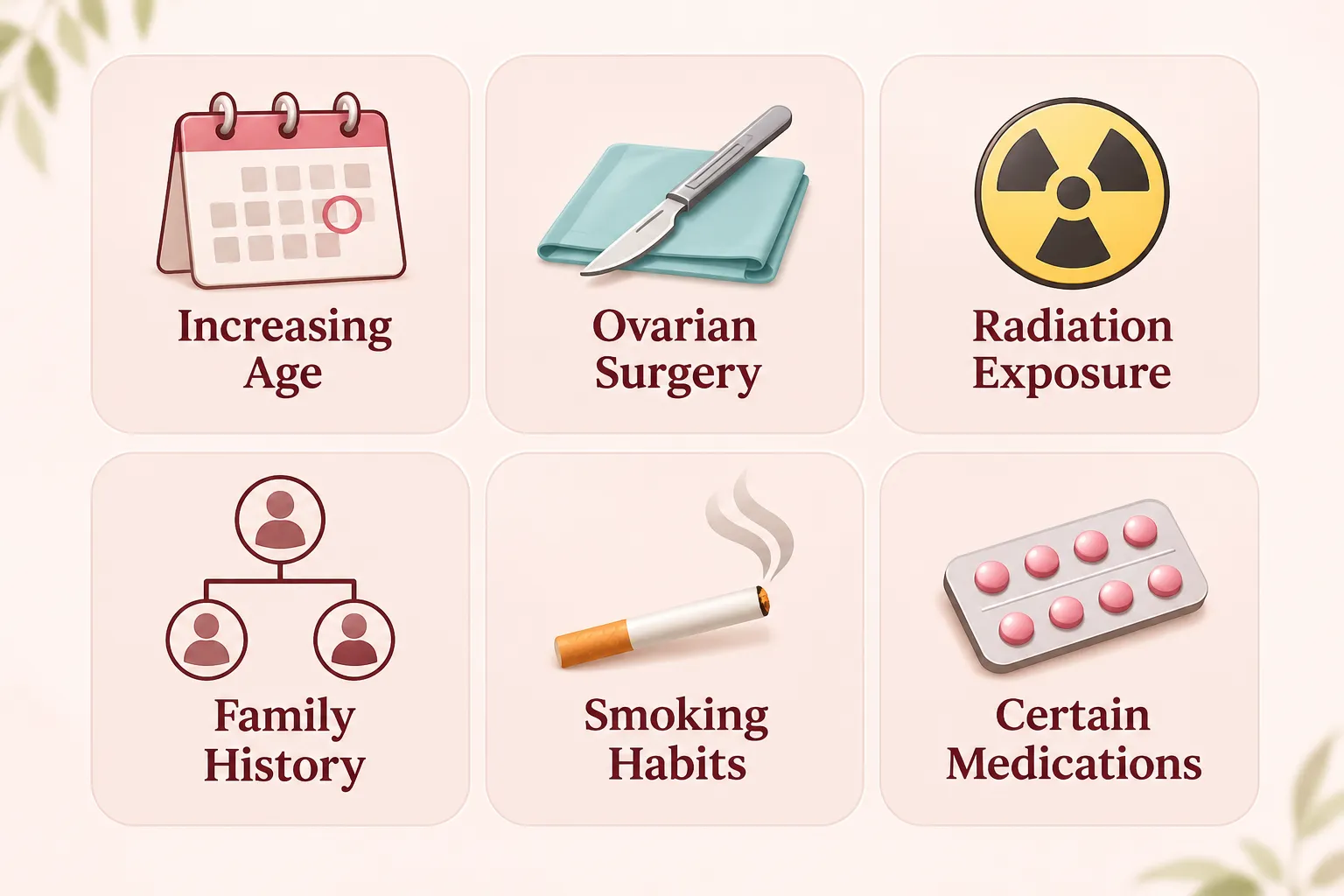
Age is one of the most common causes of this since AMH tends to decrease with age. However, younger women can still suffer from low AMH levels because of causes such as surgery on the ovaries, exposure to chemotherapeutic drugs, smoking, and early menopause, among others.
Tests That Go Along With AMH
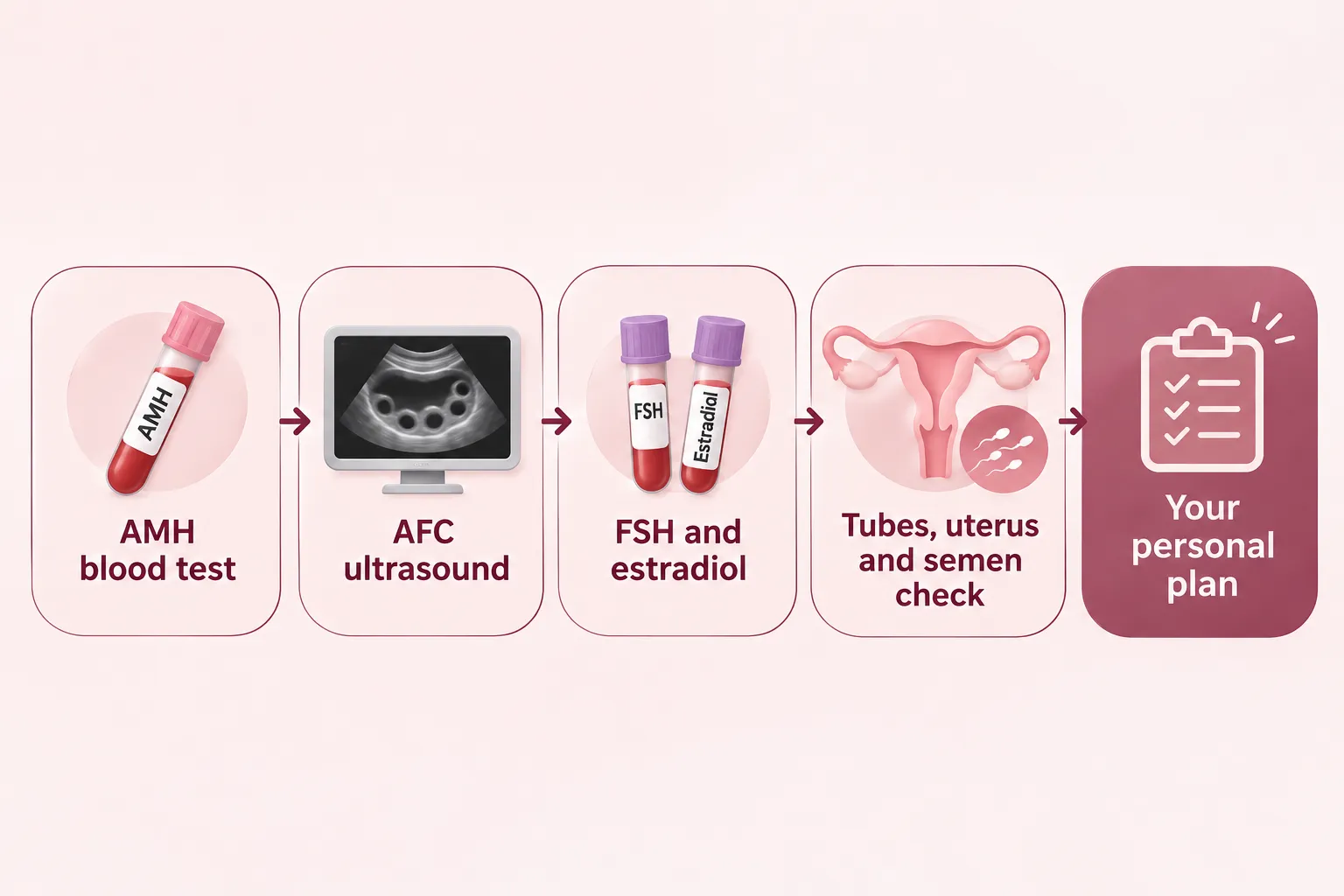
Numbers tell us only part of the picture. In addition to counting the antral follicles (AFC) by ultrasound, doctors will probably test your FSH and estradiol levels at the beginning of your menstrual cycle, and also your thyroid and prolactin. They will analyze your cycle pattern.
Low AMH is also rarely the only factor. Your uterus and your partner’s semen report matter just as much, and so do your tubes. Blocked or damaged fallopian tubes can stop a pregnancy even when the egg count is perfectly good, which is why they’re checked early.
Your Options With Low AMH
The right approach depends on your age and other test results as well as how long you’ve been trying.
- Natural attempts: For younger patients who have normal results in all other tests, natural intercourse timed to ovulation may be a good initial attempt.
- IUI: There are situations when IUI treatment with minimal stimulation is helpful, if your fallopian tubes are unblocked and your sperm count is good.
- IVF: When your AMH level is low, or you have little time, IVF protocol will typically involve higher doses and different approaches. You’ll have fewer eggs, and each egg is important.
- Freezing or donor eggs: If you’re not ready yet, egg or embryo freezing keeps options open. Donor eggs are discussed only when reserve is very low.
Holding a report and not sure what the next step looks like? Bring it along with your questions, and we’ll read it together, line by line.
What You Can Do Right Now
Here’s the honest part: no diet or supplement has been proven to raise AMH. Be careful with any product that promises it.
It is very simple. You should quit smoking, get good sleep, maintain a proper weight, and take tests to check your thyroid levels and Vitamin D as suggested by your doctor. However, the most important thing is not to waste time. Early planning is the only thing that makes sense.
When to See a Doctor
You don’t need to wait until fertility concerns become more serious to check your AMH levels and menstrual cycle. Early testing can help you understand your fertility and available options. If you’ve been trying to conceive, have irregular periods, or have a history of ovarian surgery or chemotherapy, consider consulting a fertility specialist.
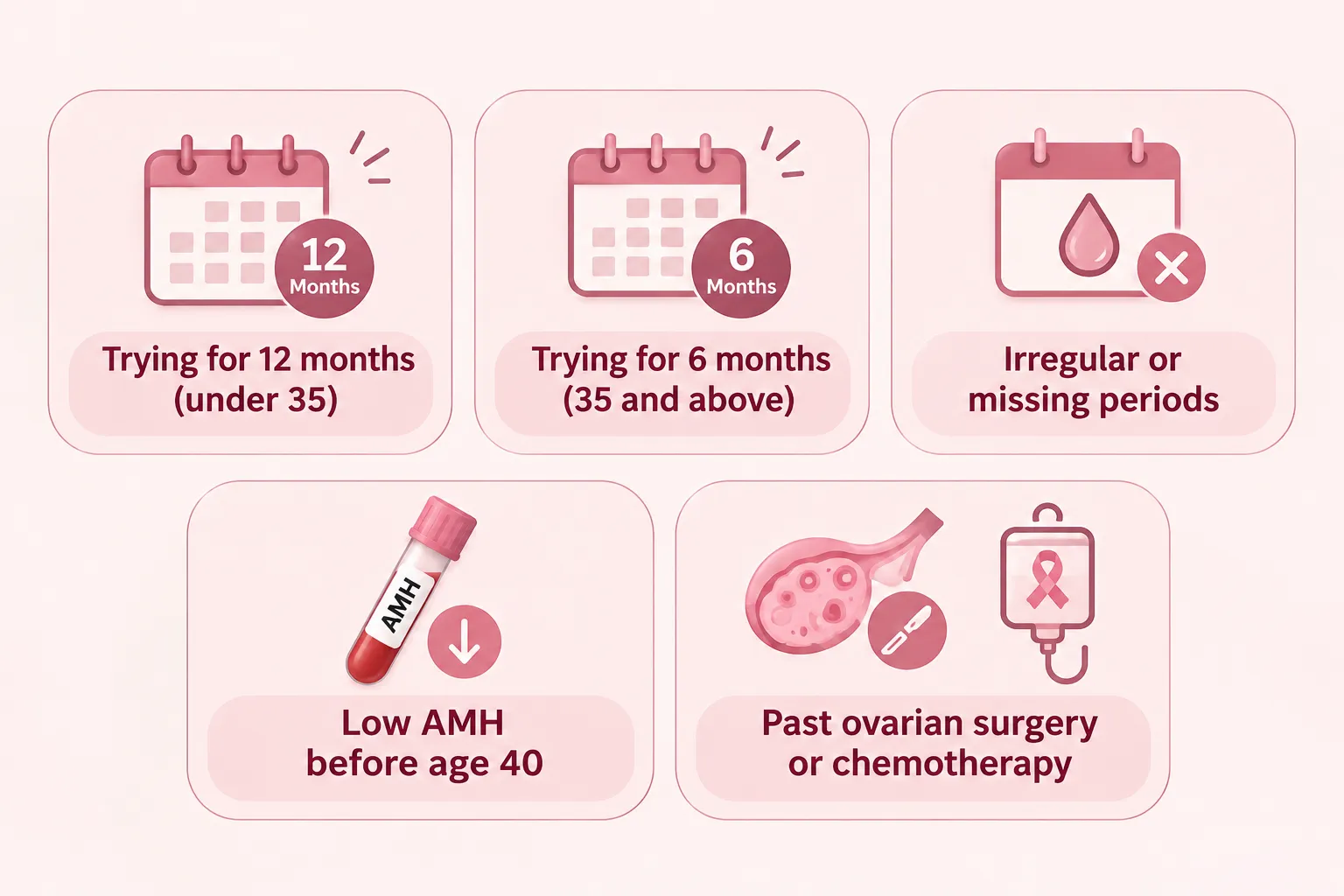
If any of these sound like you, get checked sooner rather than later.
Conclusion: A Number, Not a Verdict
“Knowing your numbers early gives you more choices. Ask every question you have, however small.”
Dr. Pooja Papishetty, Fertility Specialist
Low AMH changes the plan, not the possibility. Many women with low AMH go on to have healthy pregnancies, some naturally and some with treatment. What helps most is understanding your own picture and acting on it in good time. If you’d like a scan or just want someone to explain your report in plain words, you’re welcome to drop in at the Matrika polyclinic and meet Dr. Pooja Papishetty.
Your report is one page of a longer story. Walk in with it, and let’s read the rest together.
Frequently Asked Questions
1. What is a normal AMH level?
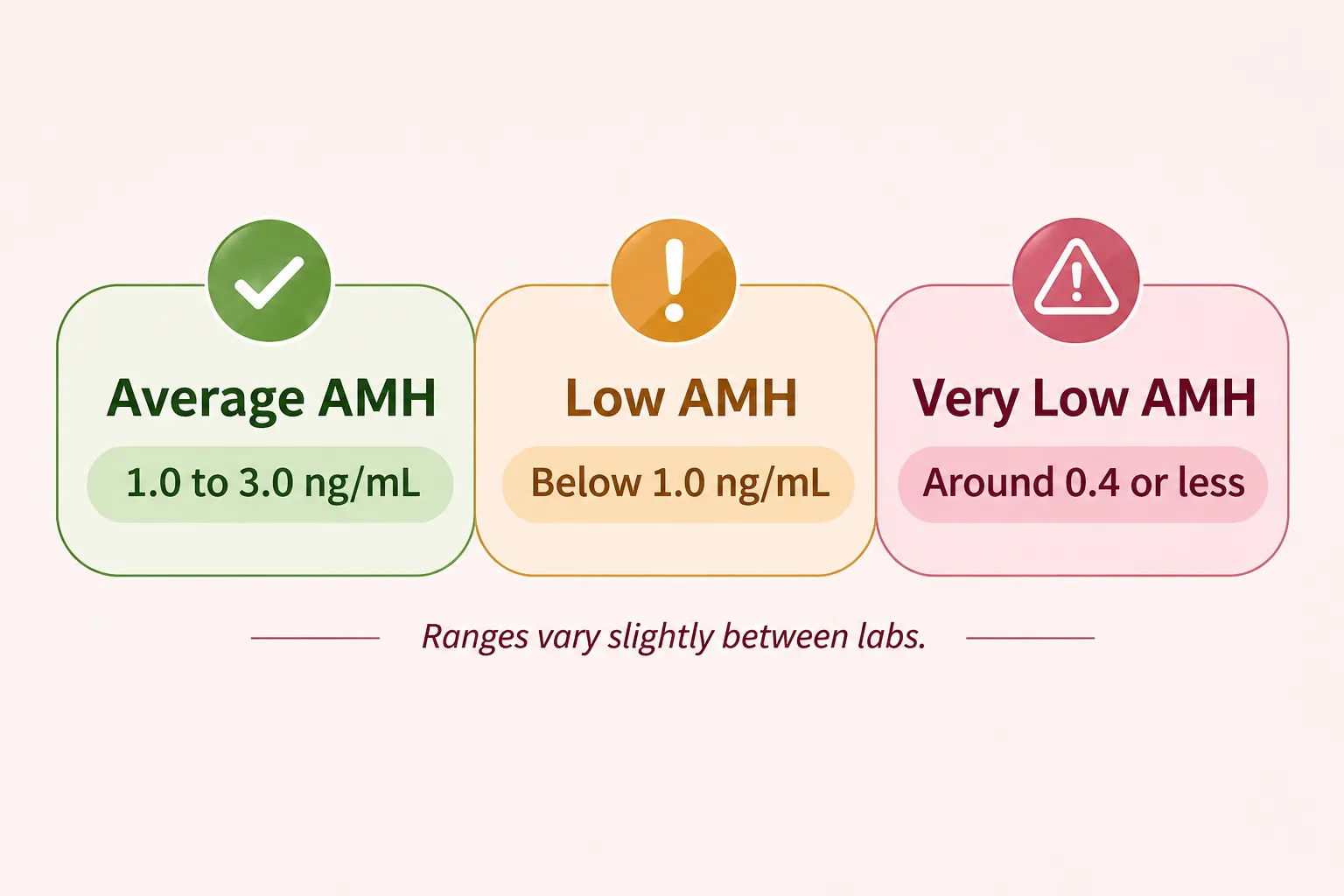
Usually between 1.0 and 3.0 ng/mL. Under 1.0 is considered low, and the range shifts with age and from lab to lab.
2. Can I get pregnant naturally with low AMH?
3. Does low AMH mean poor egg quality?
4. What if I have low AMH – will my IVF work?
5. How does low AMH differ from Premature Ovarian Insufficiency (POI)?
References
- Cleveland Clinic. Anti-Mullerian Hormone Test
- Cleveland Clinic. Ovarian Reserve Testing
- Steiner AZ et al. Association Between Biomarkers of Ovarian Reserve and Infertility Among Older Women of Reproductive Age. JAMA 2017;318(14):1367-1376. doi:10.1001/jama.2017.14588
- MedlinePlus (NIH). Anti-Müllerian Hormone Test
Disclaimer: The information shared in this content is for educational purposes only and not for promotional use.