
ICSI Treatment in Kondapur, Hyderabad
When a couple is told that male infertility is the issue, it can feel like there is no way forward. But there is. ICSI – Intracytoplasmic Sperm Injection – is one of the most advanced fertility techniques available today. It has made it possible for men with very low sperm count, poor motility, or even no sperm in the ejaculate to father biological children.
At Matrika Fertility and Laparoscopic Centre, an IVF centre in Kondapur, Hyderabad, Dr. Pooja Papishetty offers ICSI as part of a complete fertility programme for couples dealing with male infertility, failed IVF cycles, or unexplained fertilisation failure.
“Male infertility used to close too many doors for couples. ICSI has changed that completely. Today, even men with almost no sperm have a genuine chance at fatherhood. I have seen it work time and again.” – Dr. Pooja Papishetty, Fertility Specialist, Kondapur, Hyderabad
Concerned about male infertility? Dr. Pooja can assess your case and tell you if ICSI is the right option.
What is ICSI Treatment?
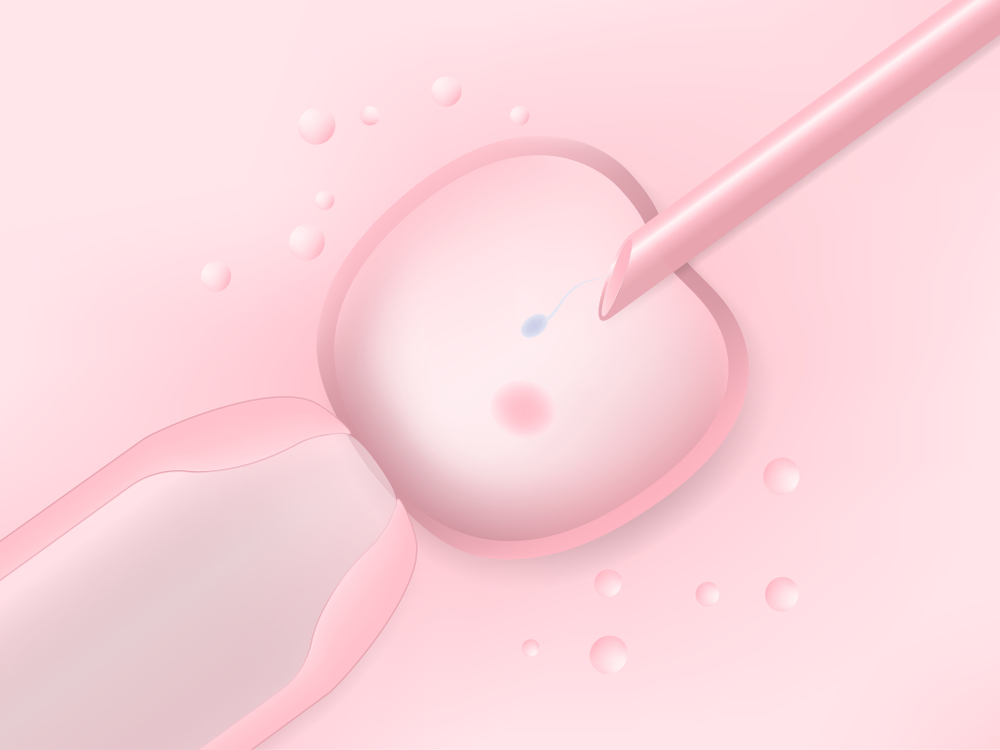
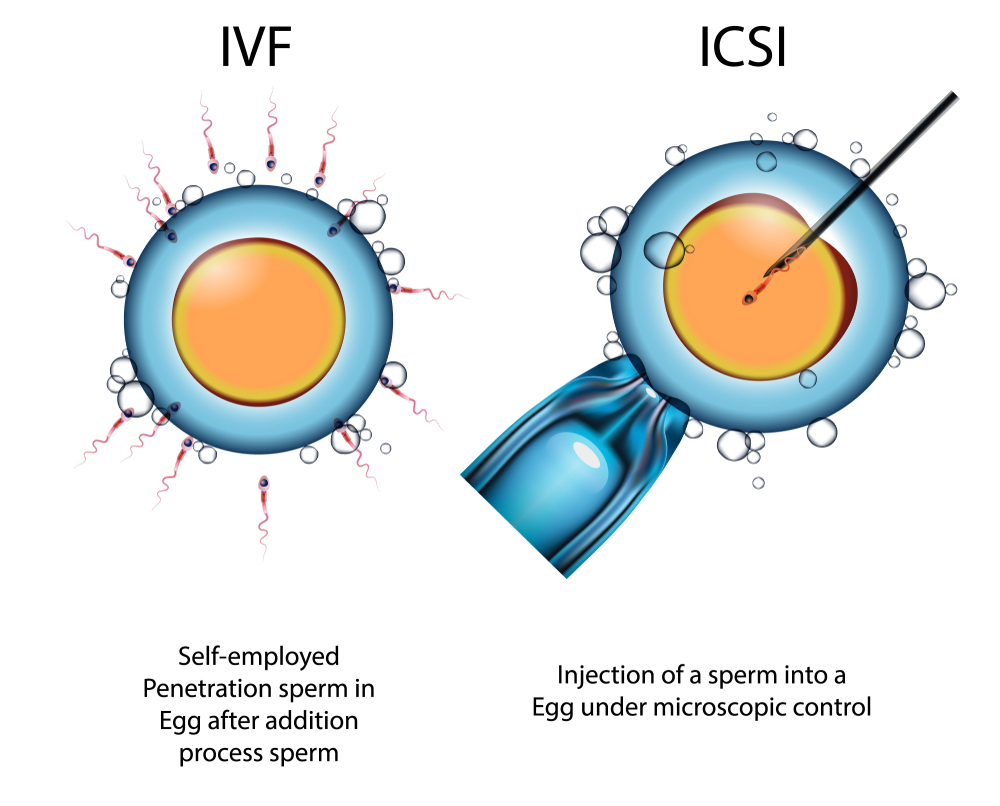
ICSI stands for Intracytoplasmic Sperm Injection. It is an advanced form of IVF (In Vitro Fertilisation). In standard IVF, eggs and sperm are placed together in a lab dish and fertilisation is left to happen on its own. In ICSI, a trained embryologist selects a single healthy sperm under a high-powered microscope and injects it directly into the centre of a mature egg.
This direct injection bypasses all the natural barriers that can prevent fertilisation – such as poor sperm motility, low count, or the inability of sperm to penetrate the egg’s outer shell.
ICSI does not replace IVF. It is performed as part of an IVF cycle. The rest of the process – ovarian stimulation, egg retrieval, embryo development, and embryo transfer – remains the same. The key difference is what happens inside the lab at the fertilisation stage.
ICSI vs IVF - What is the Difference?
Many couples are unsure whether they need IVF or ICSI. Here is a clear side-by-side comparison to help you understand:
Factor | Standard IVF | ICSI |
How Fertilisation Happens | Multiple sperm placed near the egg; natural penetration | Single sperm directly injected into the egg by an embryologist |
Best Suited For | Blocked tubes, ovulation issues, unexplained infertility with normal sperm | Low sperm count, poor motility, azoospermia, failed IVF cycles |
Fertilisation Rate | Around 60 to 70 percent of eggs fertilised | Around 70 to 80 percent of injected eggs fertilised |
Male Factor Required | Works with normal or mildly abnormal sperm | Specifically used when sperm quality is significantly compromised |
Lab Requirement | Standard IVF laboratory setup | Requires micromanipulation tools and a skilled embryologist |
Additional Cost | Standard IVF cost | Slightly higher due to the specialised lab procedure involved |
In short, ICSI is recommended when there is a specific concern about sperm quality, or when standard IVF has not resulted in fertilisation. Dr. Pooja Papishetty will review the semen analysis and your couple history before recommending which approach suits you best.
Who Needs ICSI Treatment?
Dr. Pooja recommends ICSI at Matrika Fertility and Laparoscopic Centre in Kondapur for couples where:
- The male partner has a low sperm count (oligospermia)
- Sperm motility is poor – sperm cannot swim effectively to reach the egg (asthenospermia)
- Sperm morphology is abnormal – the majority of sperm are shaped incorrectly (teratospermia)
- There is no sperm in the ejaculate (azoospermia) – requiring surgical sperm retrieval via TESA or PESA
- A previous IVF cycle resulted in low or zero fertilisation
- Sperm DNA fragmentation is high
- Sperm has been surgically retrieved from the testicle or epididymis
- The couple has unexplained infertility with no response to simpler treatments
If your semen analysis report shows any of the above, ICSI may significantly improve your chances of fertilisation and a successful pregnancy.
How is ICSI Performed? Step by Step
Step 1 – Couple Evaluation and Semen Analysis
Before ICSI is recommended, Dr. Pooja performs a thorough assessment of both partners. For the male partner, this means a detailed semen analysis covering sperm count, motility, and morphology. In some cases, a sperm DNA fragmentation test and hormonal blood tests are also done. The female partner undergoes the same pre-IVF evaluation as in any standard IVF cycle.
Step 3 – Egg Retrieval and Sperm Collection
On the day of egg retrieval, the male partner provides a semen sample. If there is no sperm in the ejaculate (azoospermia), surgical sperm retrieval is performed. The two main methods are:
- TESA (Testicular Sperm Aspiration) – a fine needle extracts sperm directly from the testicle under local anaesthesia
- PESA (Percutaneous Epididymal Sperm Aspiration) – sperm is retrieved from the epididymis, the small tube behind the testicle
Both procedures take about 15 to 20 minutes and are done on the same day as the female partner’s egg retrieval.
Step 5 – Embryo Development (3 to 5 Days)
The injected eggs are monitored daily in the lab to assess fertilisation and embryo development. Healthy embryos are graded based on their quality and development stage. In some cases, blastocyst culture (Day 5 embryos) is recommended for better implantation rates.
Step 2 – Ovarian Stimulation (Female Partner)
Just as in standard IVF, the female partner takes hormone injections for 10 to 14 days to stimulate the ovaries to produce multiple mature eggs. Regular ultrasound scans are done at Matrika Advanced Fertility and Laparoscopic Centre to monitor follicle growth and adjust medication dosage as needed.
Step 4 – The ICSI Procedure in the Lab
This is the step that sets ICSI apart from standard IVF. In the embryology lab, a trained embryologist uses a high-powered microscope and a micro-needle – thinner than a human hair – to select a single healthy sperm. That sperm is then injected directly into the cytoplasm (centre) of a mature egg.
This precise process ensures fertilisation can happen regardless of how low the sperm count is or how poorly the sperm move.
Step 6 – Embryo Transfer
The best quality embryo is selected and transferred into the uterus using a thin catheter. The procedure is painless, takes about 15 to 20 minutes, and you can return home the same day.
Step 7 – Pregnancy Test (14 Days Later)
A blood test (beta-hCG) done two weeks after the embryo transfer confirms whether implantation has occurred. Dr. Pooja’s team stays in contact with you throughout the two-week wait, and provides high-risk pregnancy management once a pregnancy is confirmed.
| ICSI Step | What Happens | Time Taken |
| Couple Evaluation | Semen analysis, blood tests, pelvic scan | 1 to 2 days |
| Ovarian Stimulation | Hormone injections, monitoring scans every 2 to 3 days | 10 to 14 days |
| Egg Retrieval + Sperm Collection | Eggs collected under sedation; sperm given or retrieved surgically | Same day |
| ICSI in the Lab | Embryologist injects single sperm into each mature egg | Same day as retrieval |
| Embryo Development | Fertilised eggs monitored as embryos form | 3 to 5 days |
| Embryo Transfer | Best embryo placed into the uterus | 15 to 20 minutes |
| Pregnancy Test | Blood test confirms result | 14 days after transfer |
ICSI Success Rate in Hyderabad - What to Expect
ICSI fertilises approximately 70 to 80 percent of injected eggs. However, fertilisation is just the first step. Overall success depends on:
Factor | How It Affects Your ICSI Outcome |
Age of the Woman | Under 35: success rate per cycle is typically 40 to 55 percent. Over 40: rates decline due to egg quality, not sperm. |
Cause of Male Infertility | Low count and poor motility respond very well to ICSI. High sperm DNA fragmentation may need additional steps. |
Ovarian Reserve (AMH) | A good reserve means more eggs retrieved, giving more embryos to choose from. |
Uterine Health | A normal uterine cavity improves implantation. Fibroids or polyps may need correction first. |
Embryo Quality | Day 5 blastocyst embryos generally have higher implantation rates than Day 3 embryos. |
Previous Failed Cycles | Prior failures are reviewed by Dr. Pooja to adjust the protocol and improve outcomes the next time. |
Dr. Pooja Papishetty believes in honest counselling. Before your ICSI cycle begins, she will explain your personal success estimate based on your reports – not on general statistics or unrealistic promises.
ICSI Treatment Cost in Kondapur, Hyderabad
ICSI is performed as part of an IVF cycle. The additional cost reflects the specialised lab work and the expertise of the embryologist involved.
Cost Component | Approximate Range (INR) |
IVF Base Cycle (Stimulation, Retrieval, Transfer) | Rs. 90,000 to Rs. 1,30,000 |
ICSI Procedure (Additional to IVF Cost) | Rs. 15,000 to Rs. 25,000 |
Fertility Medications | Rs. 30,000 to Rs. 70,000 |
Diagnostic Tests (Both Partners) | Rs. 8,000 to Rs. 15,000 |
TESA or PESA (If Surgical Sperm Retrieval is Needed) | Rs. 15,000 to Rs. 30,000 |
Sperm DNA Fragmentation Test (If Required) | Rs. 5,000 to Rs. 8,000 |
Embryo Freezing (Optional) | Rs. 15,000 to Rs. 25,000 |
Total Estimated Cost Per ICSI Cycle | Rs. 1,40,000 to Rs. 2,80,000 |
At Matrika Fertility and Laparoscopic Centre, you will receive a clear, cost estimate before your ICSI cycle begins. There are no surprise charges added midway through treatment. If you want to understand exactly what you will be paying, Dr. Pooja will walk you through every item during your consultation.
Want a clear cost estimate for ICSI in Kondapur? Get a transparent breakdown from Dr. Pooja Papishetty.
Why Choose Matrika Fertility and Laparoscopic Centre for ICSI in Kondapur, Hyderabad?
Choosing the right clinic for ICSI is a significant decision. You are trusting a team with something deeply personal. Here is why couples from Kondapur, Madhapur, Gachibowli, and nearby areas choose Matrika Advanced Fertility and Laparoscopic Centre:
| What We Offer | What It Means for You |
| Dedicated Male Infertility Focus | ICSI and surgical sperm retrieval handled with specific expertise – not treated as an afterthought |
| Personalised ICSI Protocol | Stimulation and lab approach adjusted to your semen parameters and the female partner’s ovarian reserve |
| Laparoscopic and Hysteroscopic Skills | If a uterine issue also needs correction before transfer, it is handled at the same clinic |
| Located in Kondapur | Close to Madhapur, Gachibowli, Kothaguda – no exhausting daily travel during monitoring |
| Honest Counselling, No Pressure | If ICSI is not the right option for you, Dr. Pooja will say so and recommend what is |
| Transparent Pricing | Full cost breakdown before treatment begins. No unexpected bills midway through |
“When a man is told his sperm is the problem, the weight of that can be very hard to carry. My approach is to look at the full picture – the count, the DNA quality, the female partner’s reserve – and build a plan that gives the couple their best genuine shot at success.” – Dr. Pooja Papishetty, Matrika Fertility and Laparoscopic Centre, Kondapur, Hyderabad
Frequently Asked Questions
1. What is the difference between IVF and ICSI?
In standard IVF, eggs and sperm are placed together in a dish and fertilisation happens on its own. In ICSI, a single healthy sperm is injected directly into a mature egg by an embryologist. ICSI is used when sperm quality is poor or when standard IVF has not resulted in fertilisation. The rest of the cycle – ovarian stimulation, egg retrieval, and embryo transfer – is the same for both.
2. Can ICSI help if my husband has no sperm in his semen?
Yes. If there is no sperm in the ejaculate (a condition called azoospermia), sperm can be surgically retrieved from the testicle (TESA) or the epididymis (PESA) under local anaesthesia. The retrieved sperm is then used for ICSI. Many men with azoospermia have successfully fathered biological children through this approach.
3. What is the success rate of ICSI treatment in Hyderabad?
ICSI fertilises approximately 70 to 80 percent of injected eggs. The overall pregnancy success rate per cycle depends on the woman’s age, ovarian reserve, sperm DNA quality, and uterine health. For women under 35, success rates per cycle are generally between 40 and 55 percent. Dr. Pooja Papishetty provides a personalised success estimate based on your specific reports at the first consultation.
4. How is ICSI different from IMSI?
ICSI uses standard high-powered microscopes to select sperm before injection. IMSI (Intracytoplasmic Morphologically Selected Sperm Injection) uses an even higher magnification to examine sperm in far greater detail before selection. IMSI is considered in cases of repeated ICSI failure or when a high proportion of sperm show abnormal shape. Dr. Pooja will recommend the appropriate technique based on your semen analysis and history.
5. Is ICSI safe for the baby? Are there any additional risks compared to natural conception?
Over 30 years of research confirms that ICSI is safe. Children born through ICSI do not have a higher rate of birth defects compared to naturally conceived children. However, if the male infertility has a genetic cause, there is a small possibility it could be passed on to a son. This is discussed openly during counselling at Matrika Fertility and Laparoscopic Centre, and genetic testing (PGT) can be offered when relevant.
Still have questions about ICSI? Book a no-pressure consultation with Dr. Pooja at Matrika Fertility and Laparoscopic Centre, Kondapur, Hyderabad.