
PMOS and Ovulation-Related Infertility Treatment in Kondapur, Hyderabad
If you have PMOS and are struggling to conceive, here is the first thing you should know: most women with PMOS do go on to have babies. The condition affects how you ovulate, but with the right treatment, that can be corrected.
At Matrika Advanced Fertility and Laparoscopic Centre, a trusted IVF centre in Kondapur, Hyderabad, Dr. Pooja Papishetty Papishetty treats PMOS as a manageable condition, not a dead end. She is an IVF doctor in Kondapur, Hyderabad, with a Fellowship in Reproductive Medicine, and she has helped many women with PMOS finally see a positive pregnancy test.
PMOS is one of the most common causes of infertility in Indian women. It is also one of the most treatable. The key is understanding what is happening in your body and matching the treatment to it.
“PMOS can feel like a label that follows you around. But in my clinic, I want women to see it differently. It is a hormonal pattern we can work with. With the right plan, the body responds beautifully more often than people expect.” – Dr. Pooja Papishetty Papishetty, Fertility Specialist, Kondapur, Hyderabad
“Many of our patients have spent years on fertility treatments without anyone checking the uterus and tubes from the inside. Once we do a laparoscopy and hysteroscopy, the missing piece often becomes clear. That single step changes the outcome for a lot of couples.” – Dr. Pooja Papishetty, Fertility & Laparoscopic Specialist, Matrika Advanced Fertility and Laparoscopic Centre, Kondapur, Hyderabad
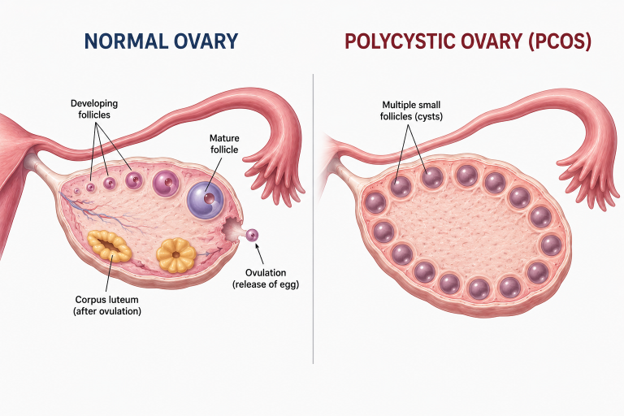
What is PMOS and Ovulation-Related Infertility?
Who Needs PMOS and Ovulation Treatment?
Not every woman with PMOS needs fertility treatment. Some conceive naturally. But Dr. Pooja Papishetty Papishetty recommends a proper evaluation and treatment plan when conceiving is proving difficult.
You may benefit from PMOS fertility treatment if you experience:

Irregular or Absent Periods
If your cycles are longer than 35 days, very unpredictable, or you skip periods for months, ovulation is likely the issue. Treatment focuses on restoring regular ovulation.

Difficulty Conceiving Despite Trying

Confirmed PMOS on Ultrasound or Blood Tests

Other Signs That Point to PMOS
- Unexplained weight gain or trouble losing weight
- Excess facial or body hair (hirsutism)
- Persistent acne or oily skin
- Thinning hair on the scalp
“In many cases of so-called ‘unexplained infertility’, we find a clear cause the moment we do a laparoscopy. A small fibroid, a band of scar tissue, mild endometriosis. These do not always show on ultrasound, but they matter for pregnancy.” – Dr. Pooja Papishetty, Matrika Advanced Fertility and Laparoscopic Centre, Kondapur, Hyderabad
The PMOS Treatment Process - Step by Step
Step 1 - Detailed Evaluation
First, Dr. Pooja Papishetty confirms the diagnosis and understands your specific pattern. This typically includes:
- Blood tests for hormones (LH, FSH, AMH, testosterone, prolactin, thyroid)
- A check for insulin resistance and blood sugar levels
- A pelvic ultrasound to look at the ovaries and count follicles
- A semen analysis for your partner, so both sides are assessed
PMOS varies a lot from woman to woman. This step makes sure the treatment fits you.
Step 2 - Lifestyle and Weight Management

Step 3 - Ovulation Induction Medication
When lifestyle changes are not enough, the next step is medication to help the ovaries release an egg. The commonly used options are:
- Letrozole – now considered the preferred first-line tablet for PMOS, as it tends to give better ovulation and pregnancy rates
- Clomiphene Citrate – a well-established oral medication used for many years to stimulate ovulation
- Metformin – often added when there is insulin resistance, to improve how the body responds
These are simple oral tablets taken early in the cycle. Dr. Pooja Papishetty decides the right one and the right dose based on your reports.
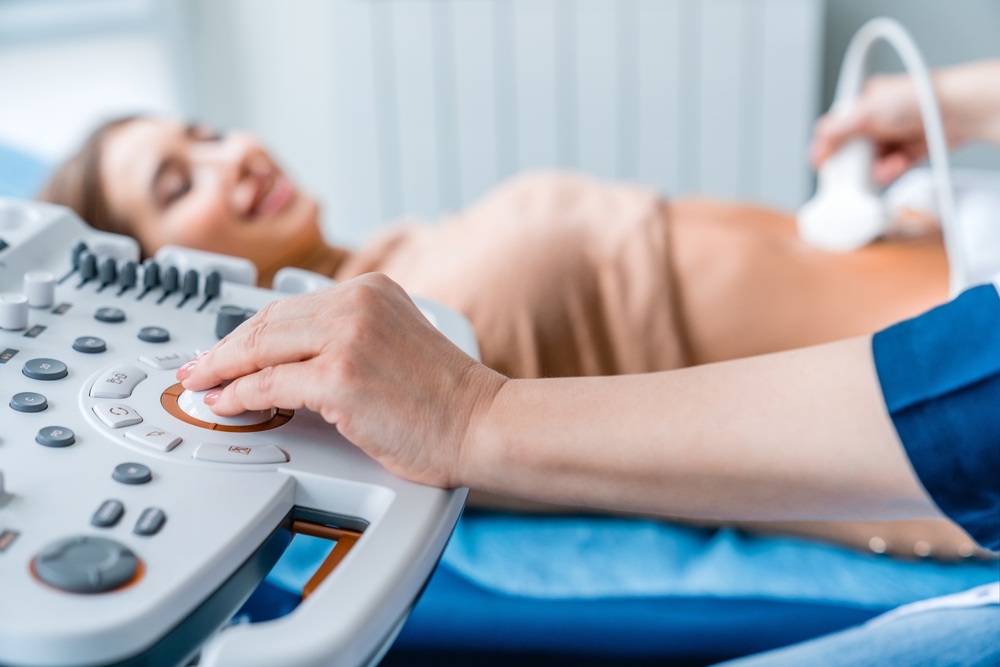
Step 4 - Follicular Monitoring
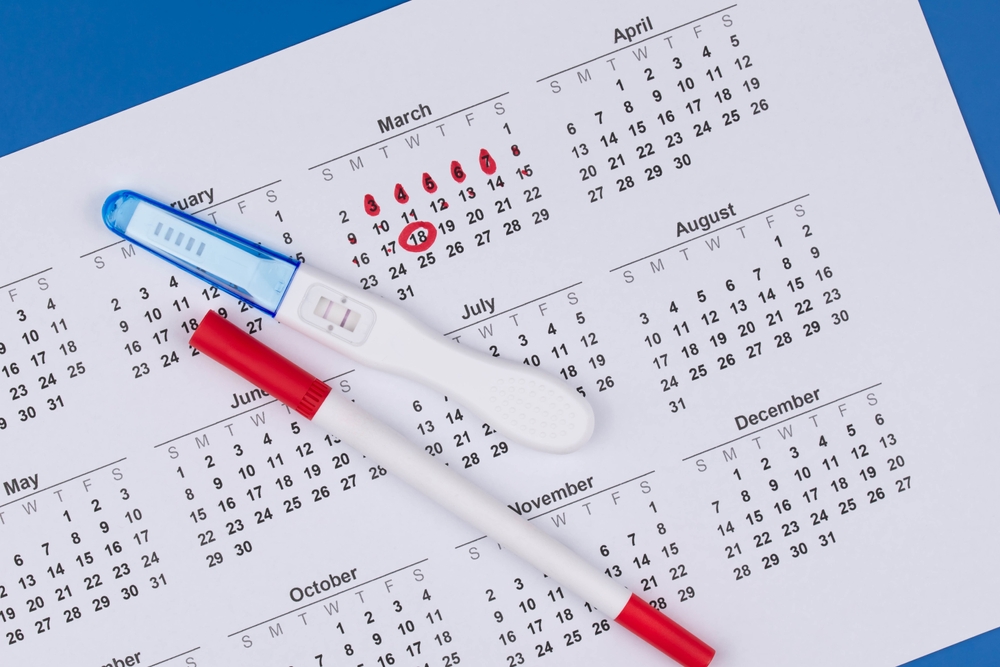
Step 5 - Trigger and Timed Conception or IUI
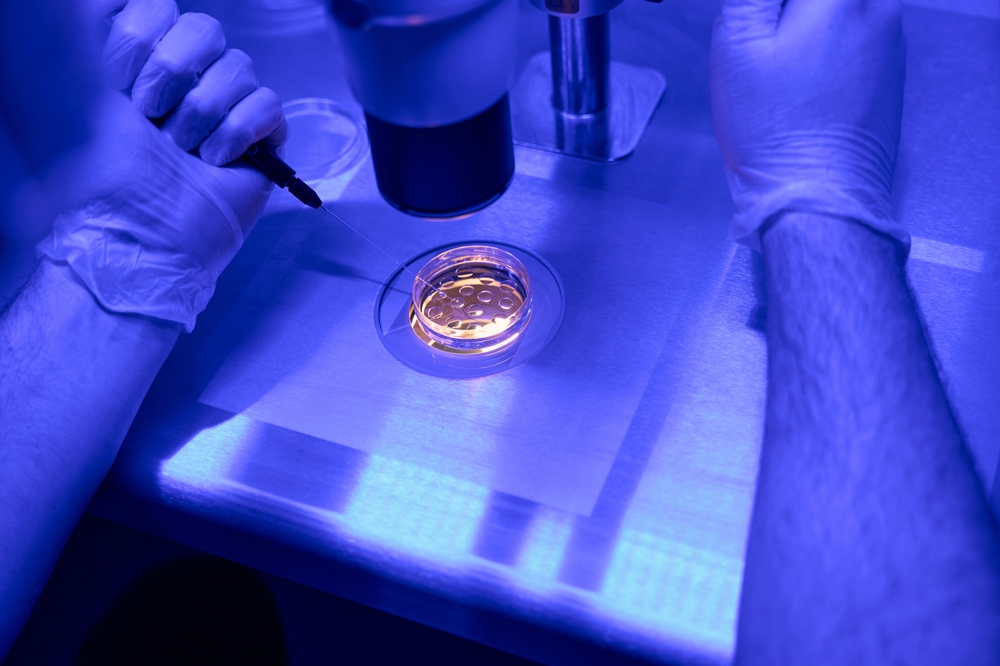
Step 6 - Moving to IVF (Only If Needed)
PMOS Treatment vs IVF - When Do You Need Which?
A lot of women worry that a PMOS diagnosis means jumping straight to IVF. That is rarely the case. Most women start with much simpler treatment.
| Factor | PMOS Ovulation Treatment | IVF |
| How It Works | Medication helps the ovaries release an egg; conception happens naturally or via IUI | Eggs retrieved, fertilised in the lab, embryo placed in the uterus |
| Invasiveness | Minimal – oral tablets and scans | Moderate – involves egg retrieval under sedation |
| Medications | Letrozole, Clomiphene, sometimes Metformin | Higher-dose hormone injections |
| Cost | Lower – the affordable first step | Higher |
| Best For | Women whose main issue is irregular ovulation | Failed ovulation induction, blocked tubes, severe male factor, low ovarian reserve |
| Usually Tried | First, for several cycles | When simpler options have not worked |
Dr. Pooja Papishetty always starts with the least invasive option that makes sense for your diagnosis. IVF is only suggested when it is genuinely the right step, not as a default.
“I have seen women come in convinced they need IVF because they have PMOS. Often, all they needed was the right tablet, proper monitoring, and a little patience. The diagnosis should decide the treatment, never assumptions.” – Dr. Pooja Papishetty Papishetty, IVF Specialist, Matrika Advanced Fertility and Laparoscopic Centre, Kondapur
PMOS Treatment Success Rate - What You Should Know
The encouraging news is that PMOS responds well to treatment. Most women with PMOS who want to conceive eventually do, especially with the right guidance.
What the numbers generally look like:
- With ovulation induction medication, a large majority of women with PMOS begin ovulating
- A meaningful share of those conceive within several treatment cycles
- Letrozole tends to give better pregnancy and live birth rates than older medications for PMOS
- Women with PMOS often respond strongly to IVF when it is needed, because they typically have a good egg reserve
Factors that affect your success:
- Your age (younger generally means better chances)
- Body weight and insulin resistance levels
- How regularly you ovulate once treated
- Whether there are other fertility factors, such as a male factor
- How well your body responds to the chosen medication
Dr. Pooja Papishetty reviews your response after each cycle and adjusts the plan. You are never left guessing about the next step.
Why Choose Matrika Advanced Fertility and Laparoscopic Centre for PMOS Treatment?

Diagnosis-first approach
Dr. Pooja Papishetty does not hand out a standard PMOS prescription. She studies your hormone profile, weight pattern, and ovulation before deciding anything.

Start simple, escalate only if needed

Careful monitoring

Whole-picture care

Specialist training

Transparent and private
PMOS Treatment Cost in Kondapur, Hyderabad
PMOS treatment is usually one of the more affordable fertility paths, because it often starts with simple tablets and monitoring rather than advanced procedures.
At Matrika Advanced Fertility and Laparoscopic Centre, Kondapur, the cost depends on:
- Whether treatment is medication-only or moves to IUI or IVF
- The number of monitoring scans needed during a cycle
- Which medications and tests are required for your case
- Any treatment for related issues like thyroid or insulin resistance
Dr. Pooja Papishetty and her team follow transparent pricing. You will know what you are paying for, and why, before treatment begins. There are no hidden charges.
For an accurate estimate based on your specific situation, book a consultation at Matrika Advanced Fertility and Laparoscopic Centre in Kondapur, Hyderabad.
Pre-Treatment Tests for PMOS - What to Expect
Before starting treatment, Dr. Pooja Papishetty Papishetty will request a few baseline tests. These confirm the PMOS pattern and guide the right plan.
For the female partner:
Test | Why It Is Done |
Hormone blood tests (LH, FSH, AMH, Prolactin, TSH) | To confirm the PMOS pattern and rule out thyroid or other hormonal issues |
Testosterone and androgen levels | To check for raised male hormones common in PMOS |
Fasting glucose and insulin | To assess insulin resistance, which is closely linked to PMOS |
Pelvic ultrasound (transvaginal) | To examine the ovaries, count follicles, and check the uterus |
Complete blood count and blood group | Routine pre-treatment baseline |
For the male partner:
Test | Why It Is Done |
Semen analysis | To check sperm count, motility, and morphology, so both partners are assessed |
Once the results are in, Dr. Pooja Papishetty will sit with you, explain each finding in plain language, and lay out your treatment plan clearly.
“With PMOS, the tests are not just formalities. They tell me whether the main issue is hormonal, whether insulin resistance is involved, and how your ovaries are likely to respond. That is what lets me build a plan that actually works for your body, not a generic one.” – Dr. Pooja Papishetty Papishetty, Fertility Specialist, Kondapur, Hyderabad